
October Membership Meeting: Booger Masks and Gorgets
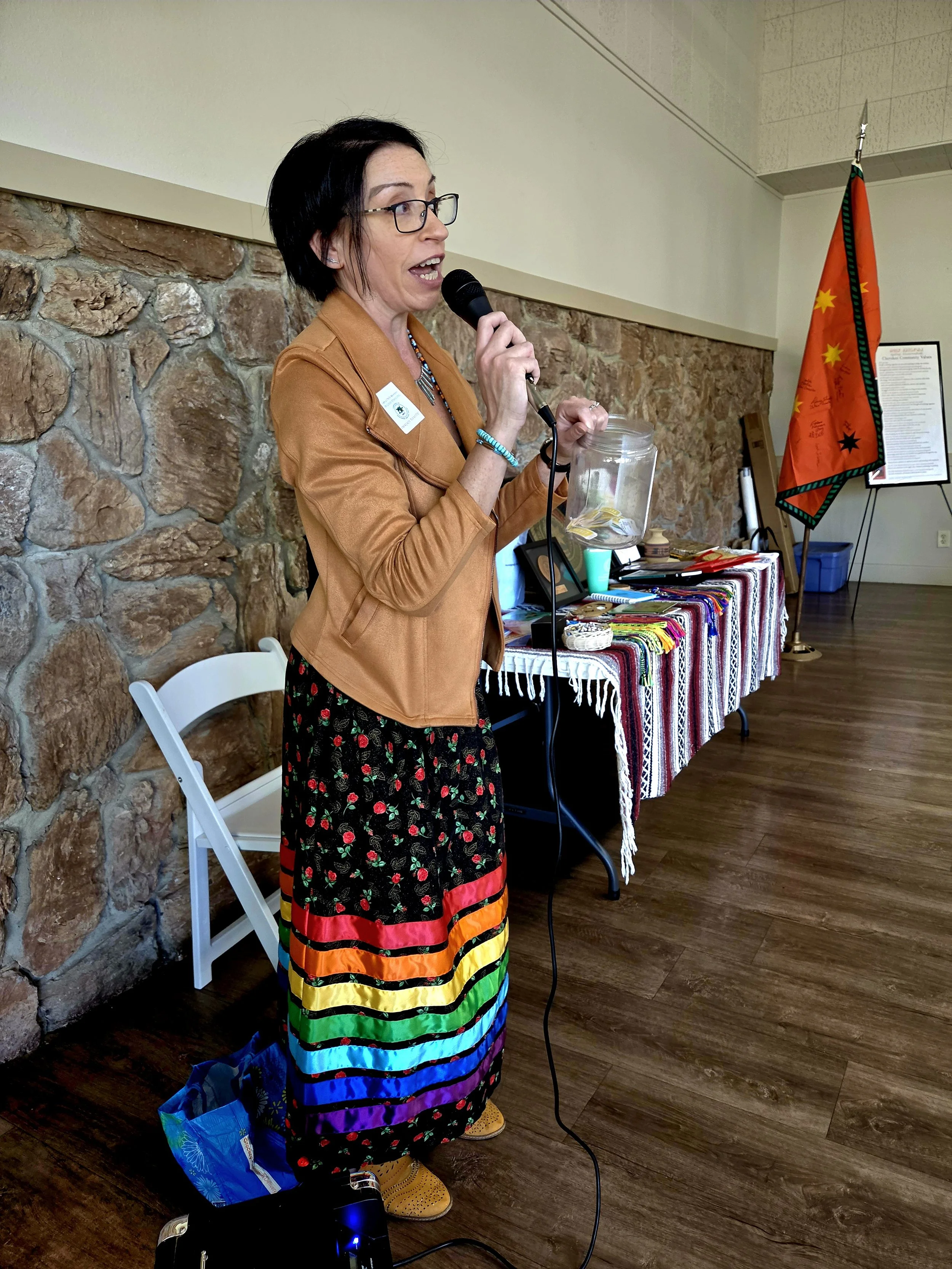
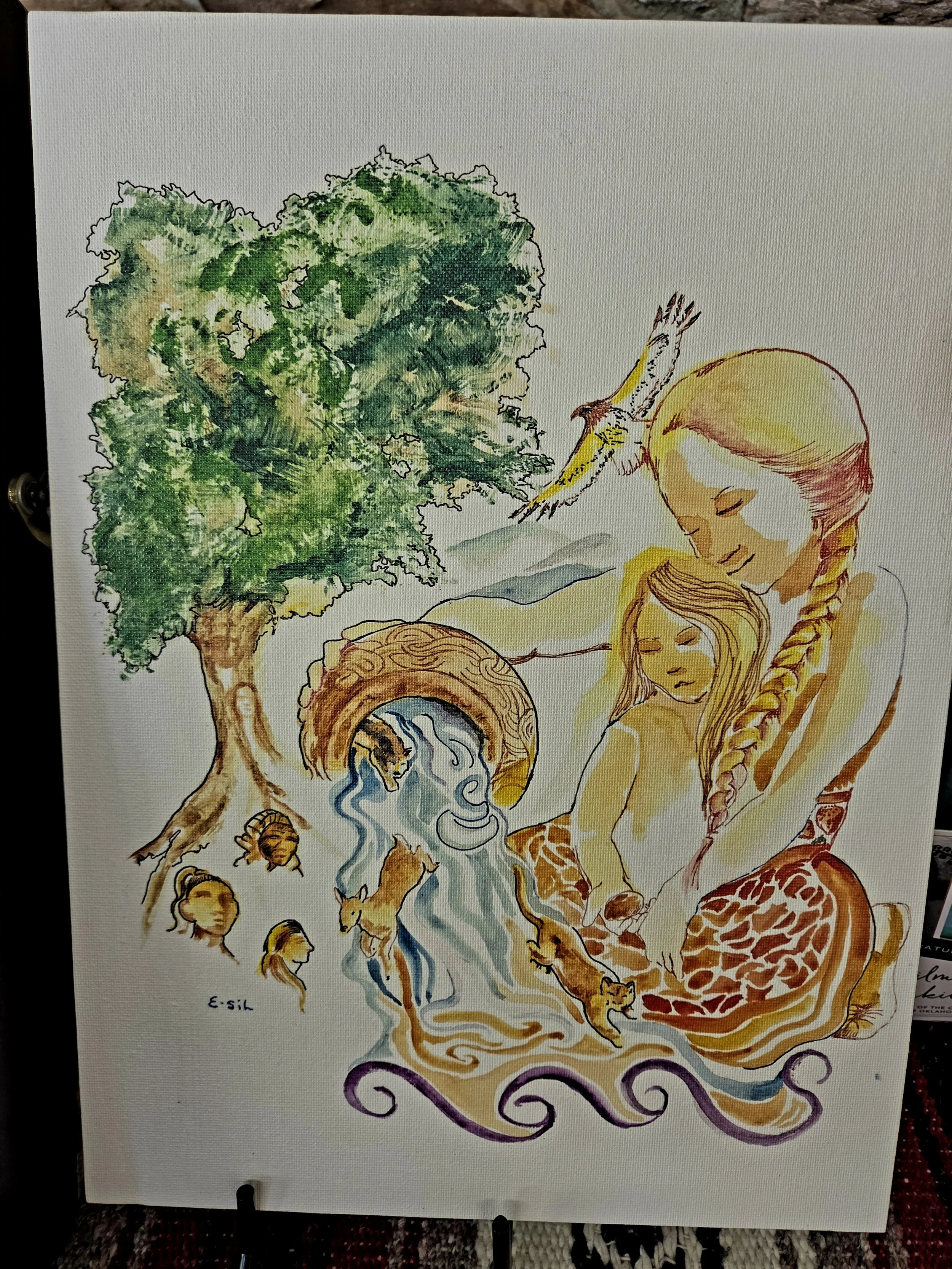
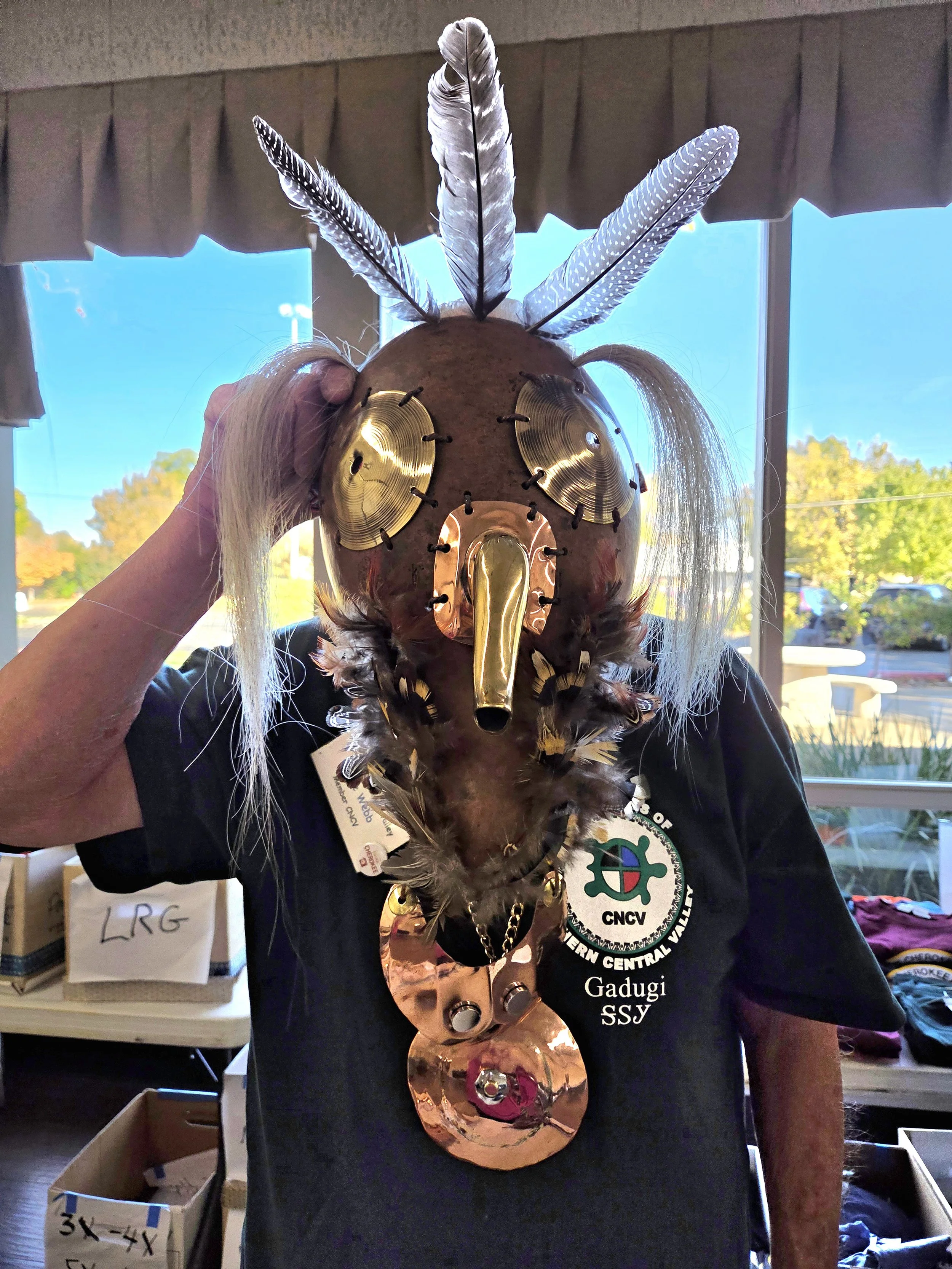
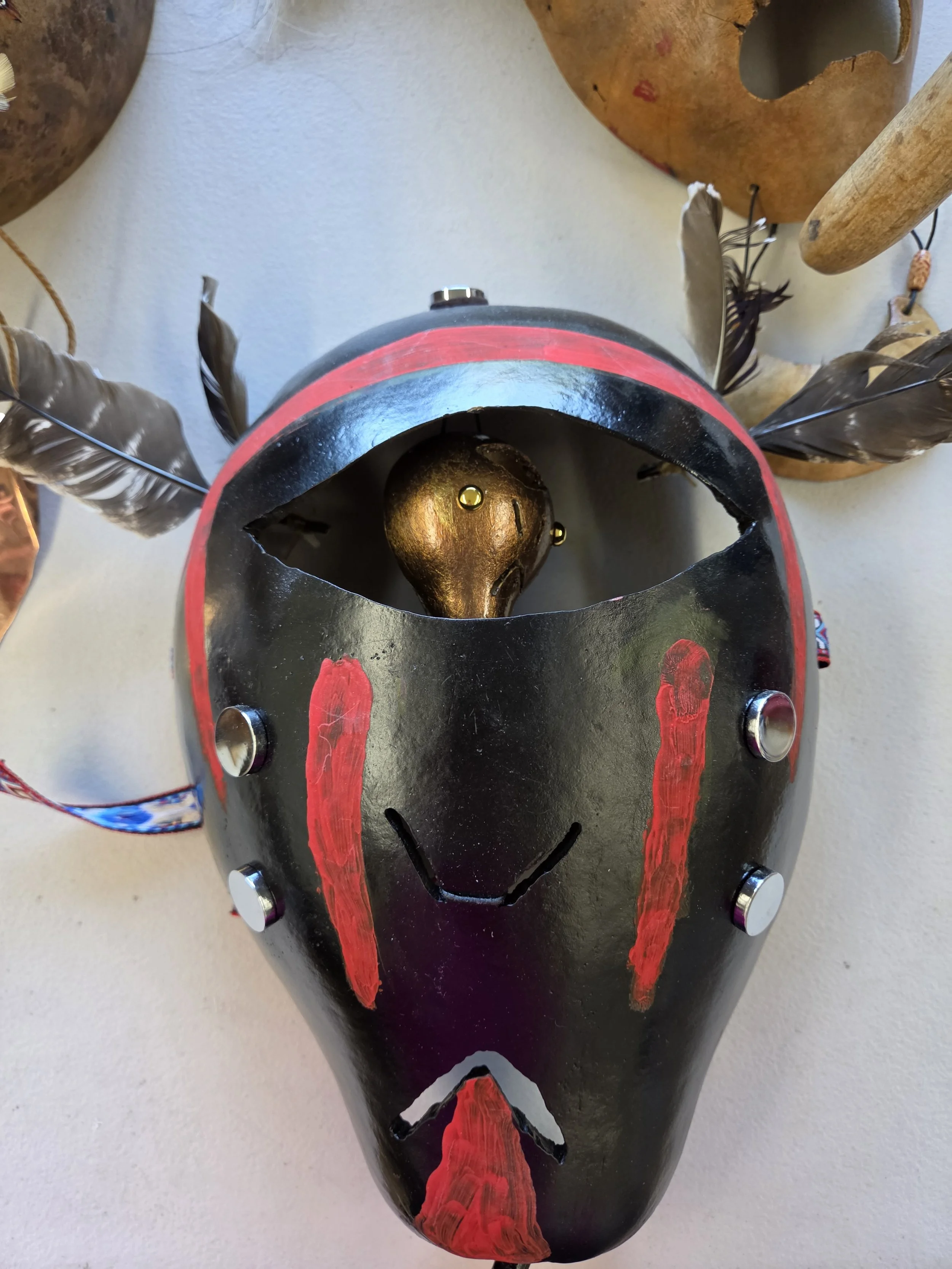
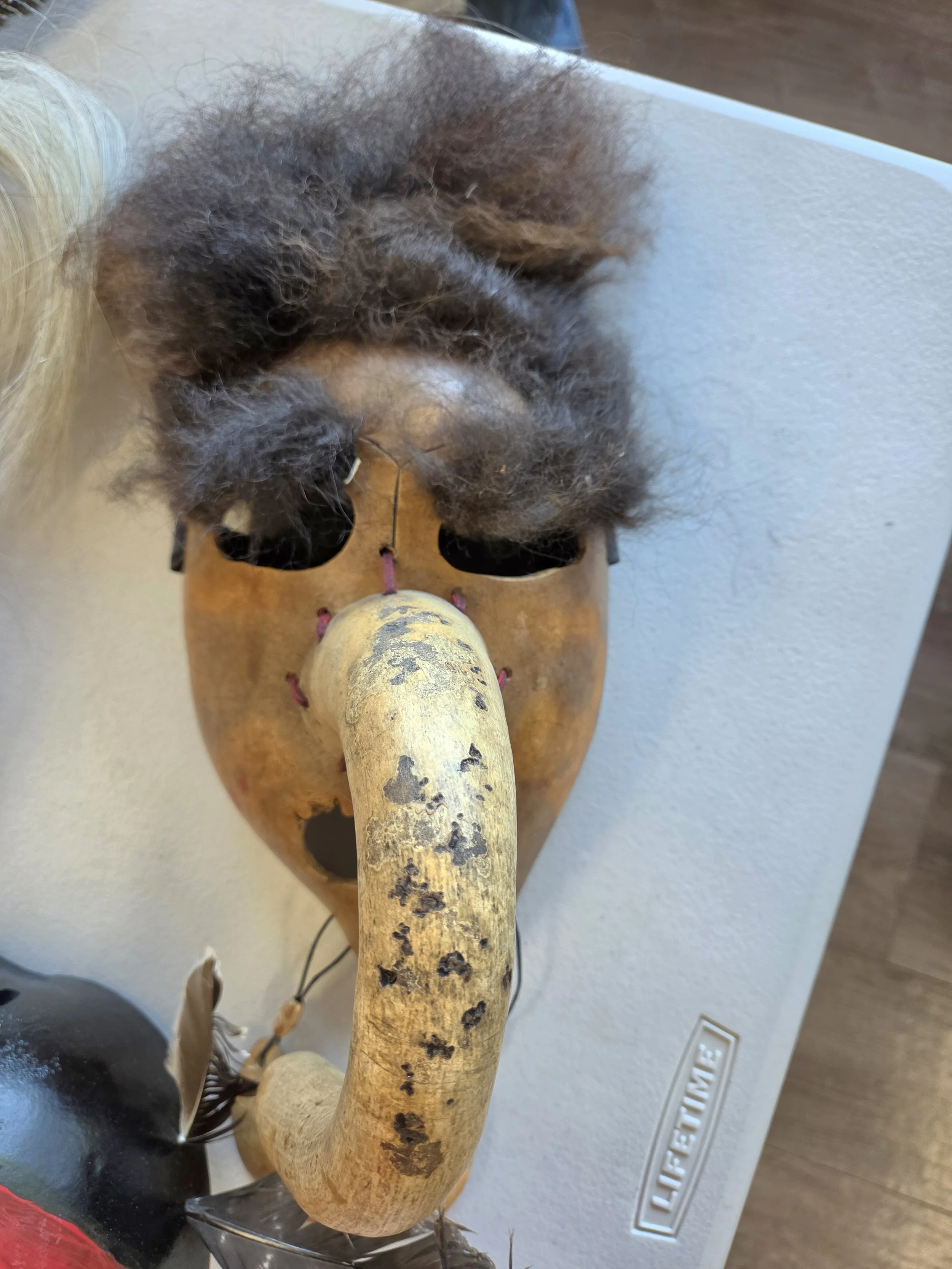
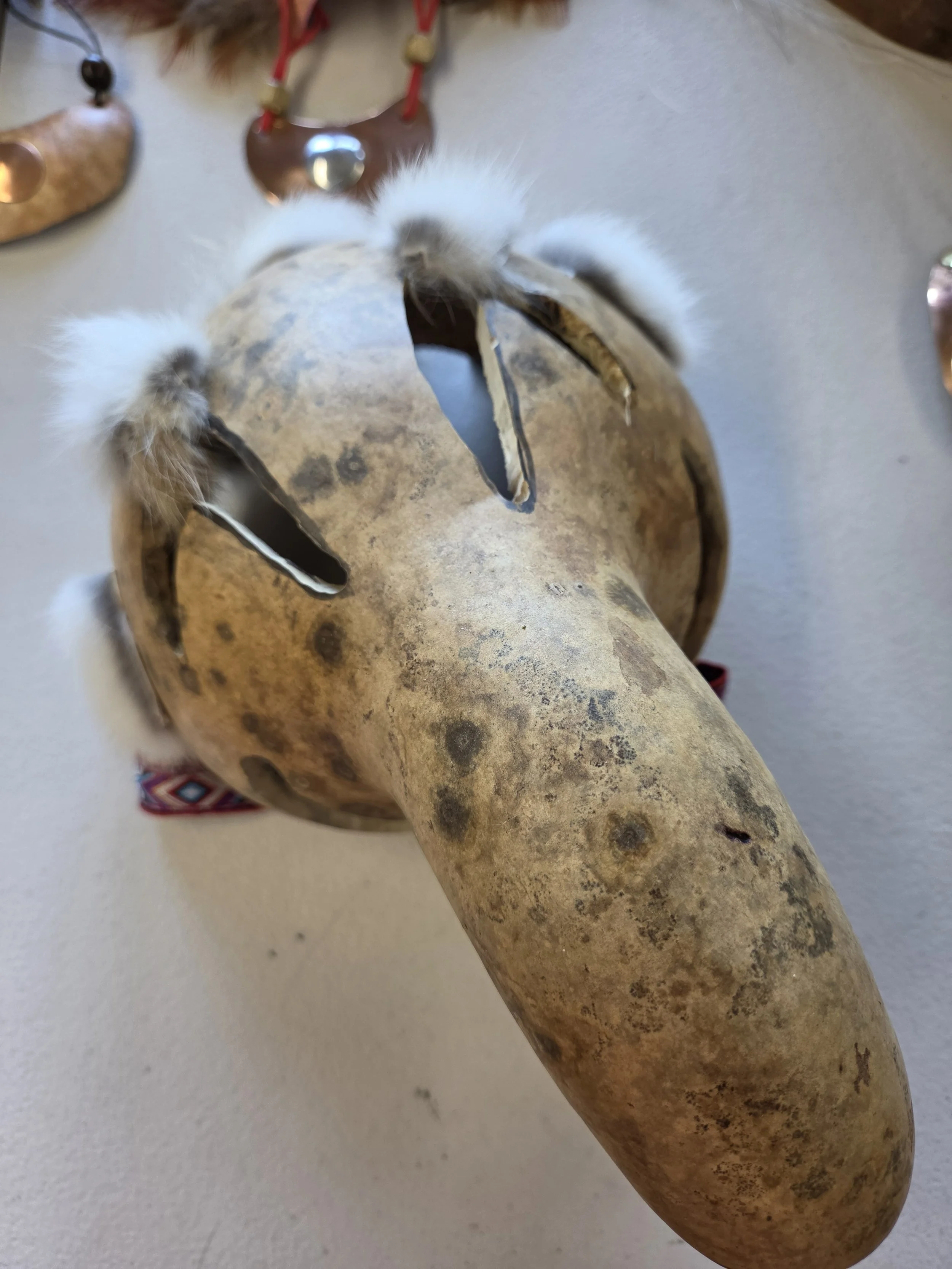
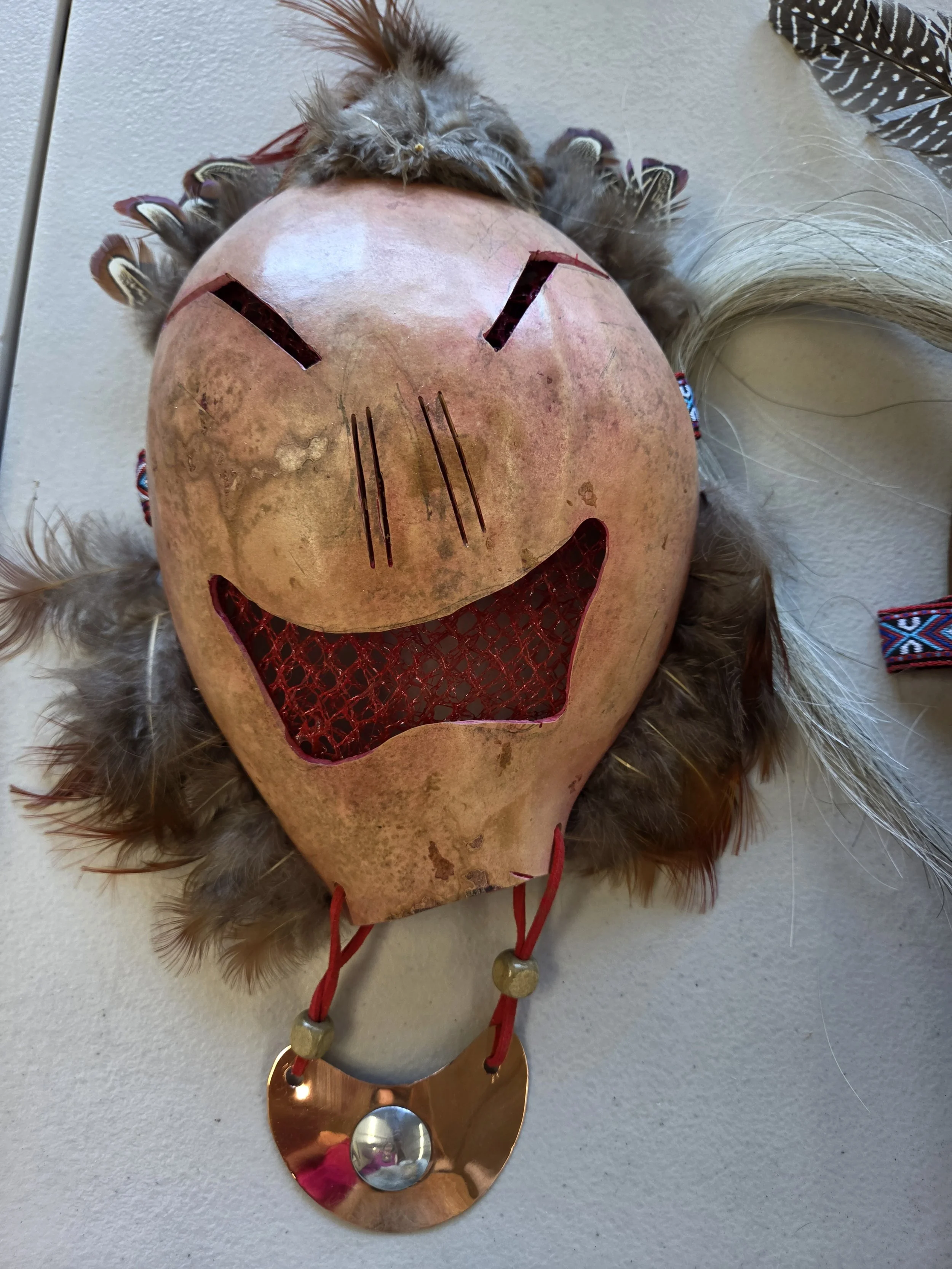
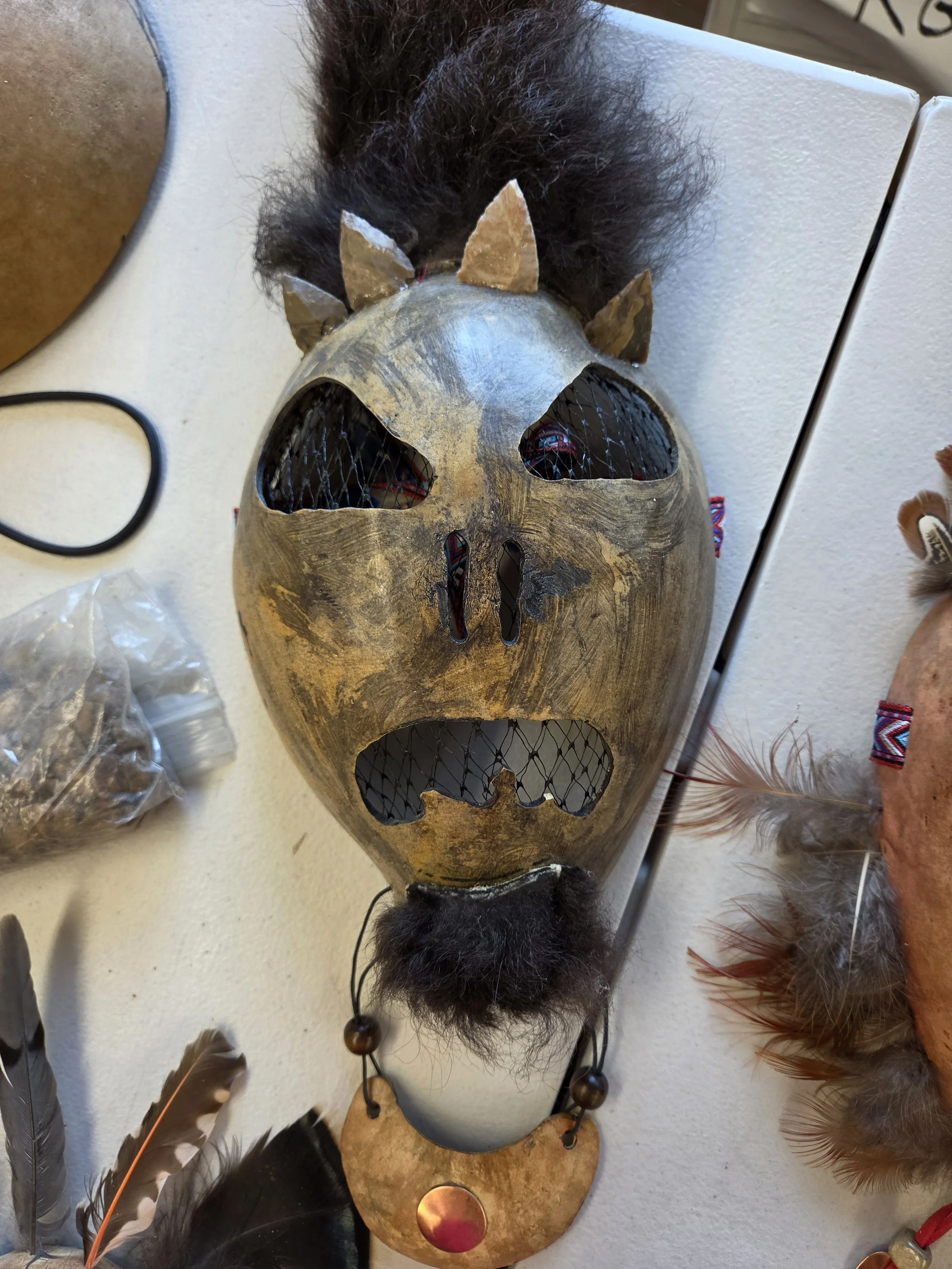
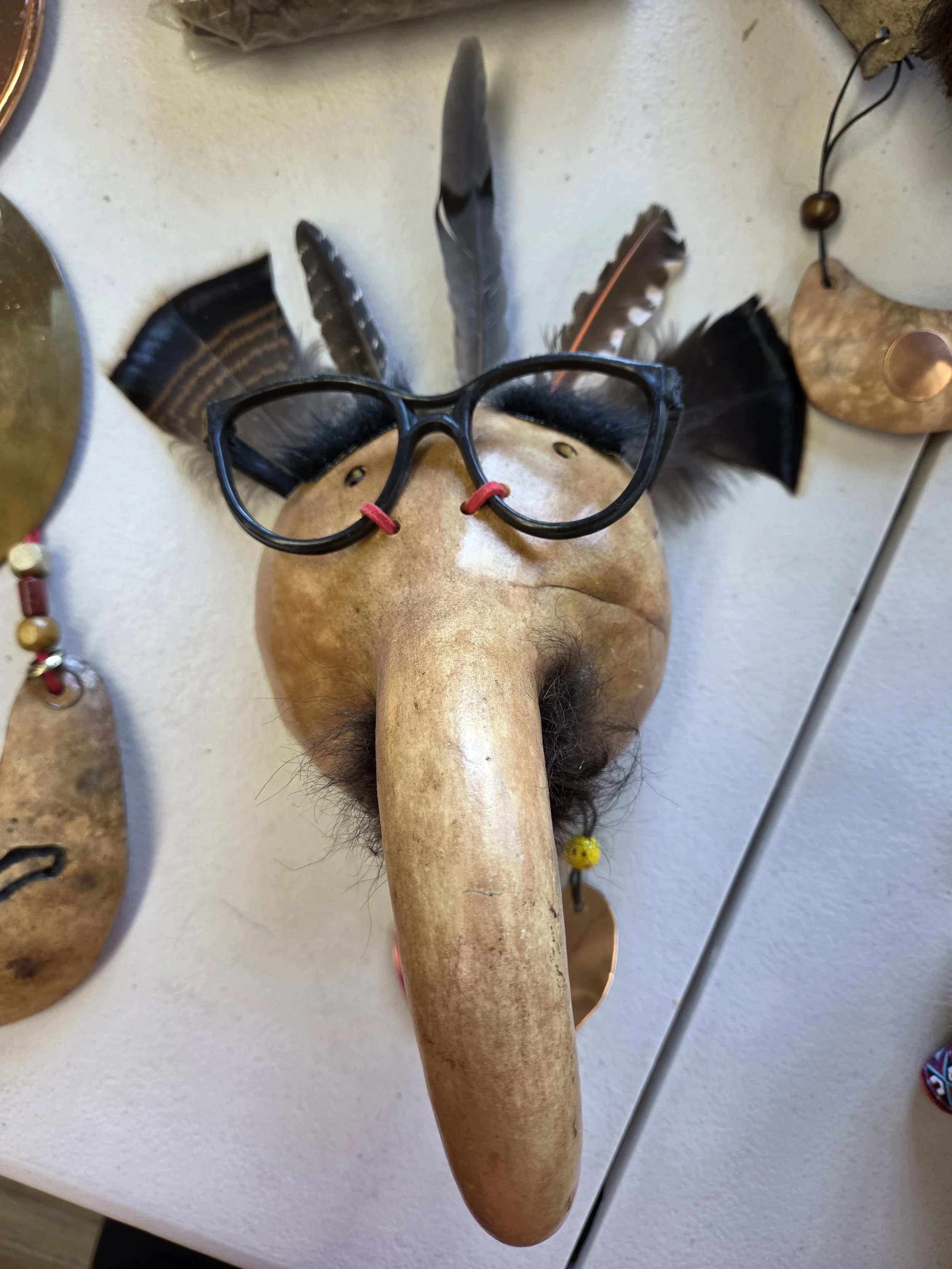
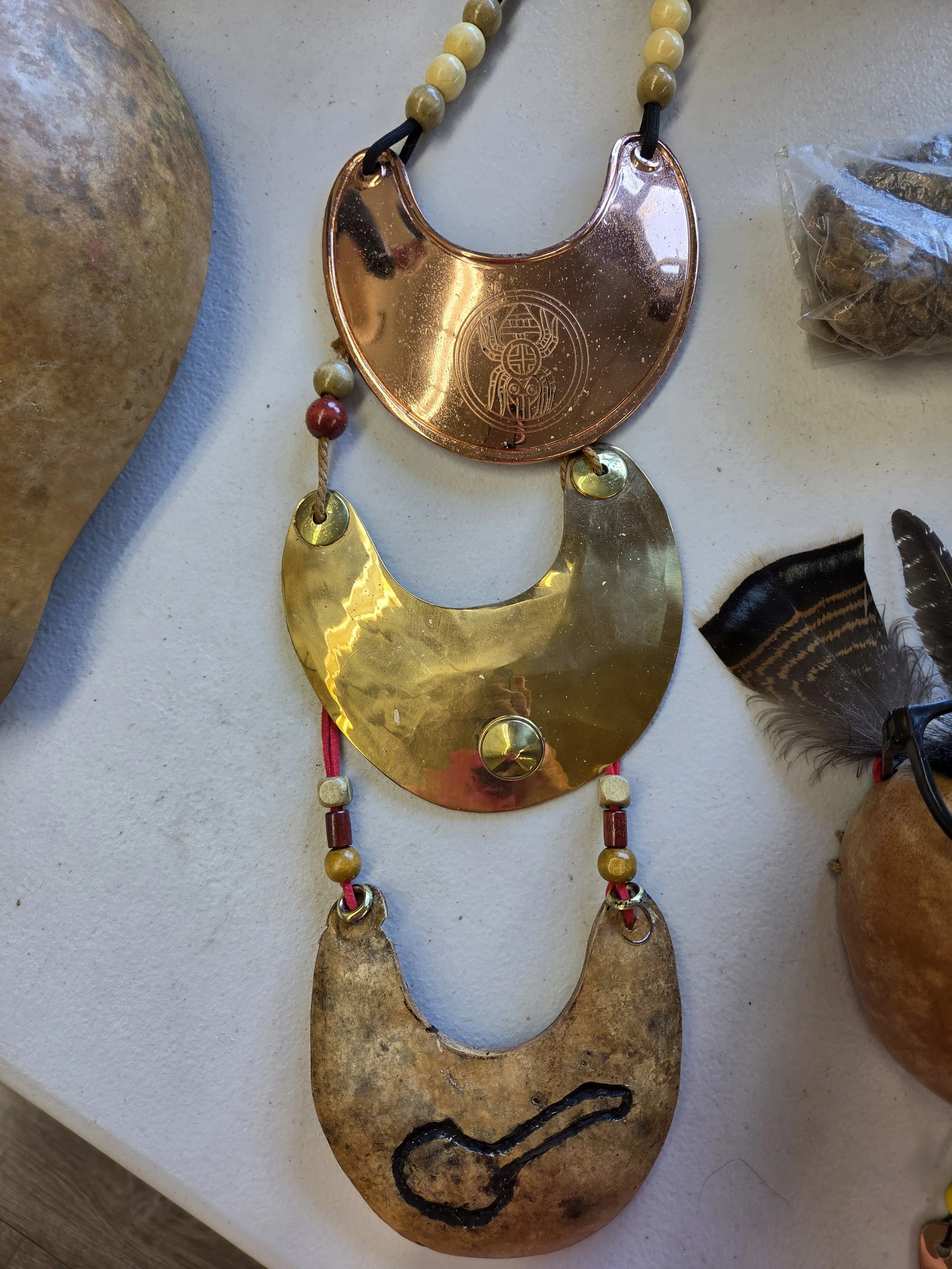
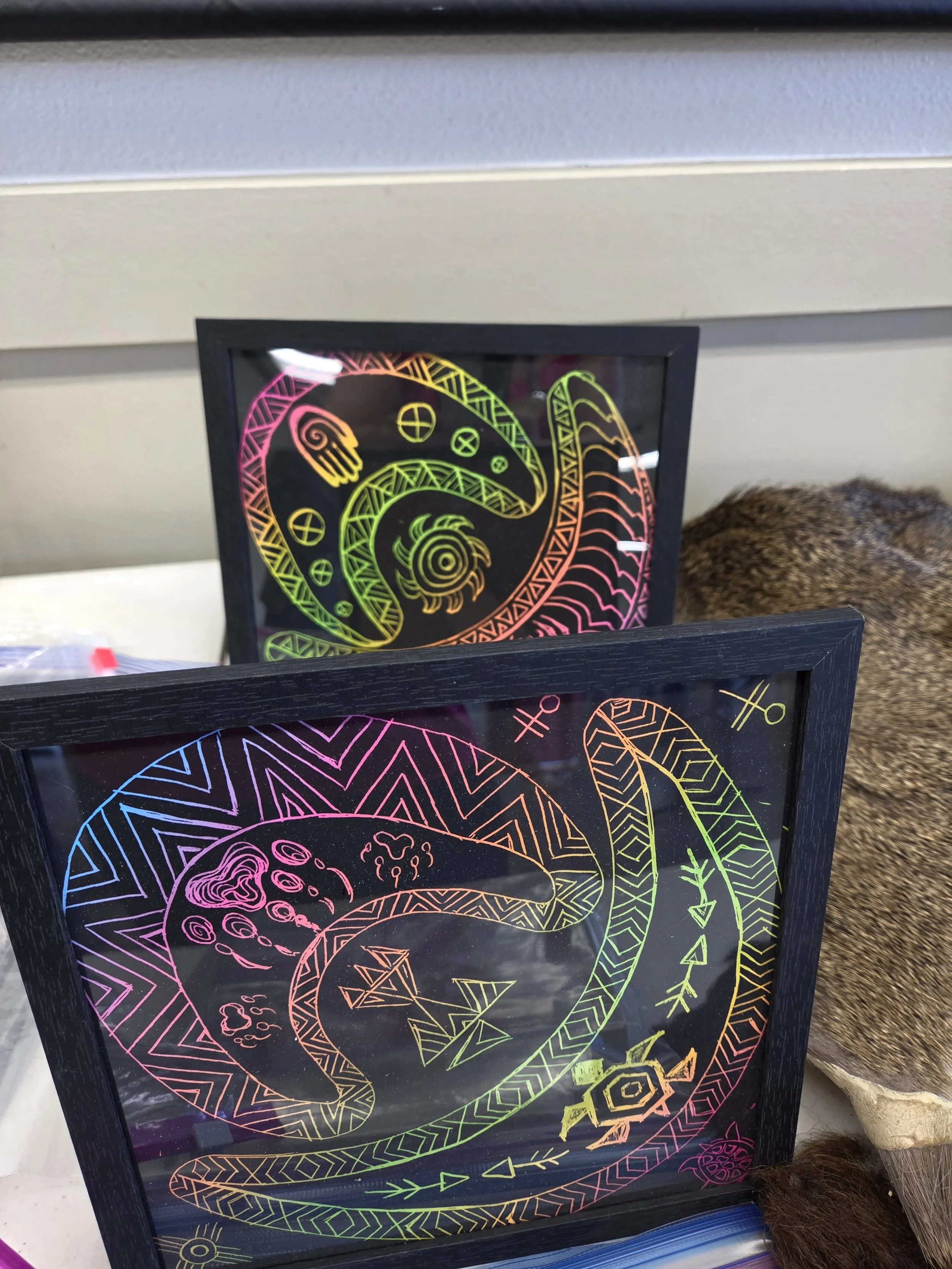
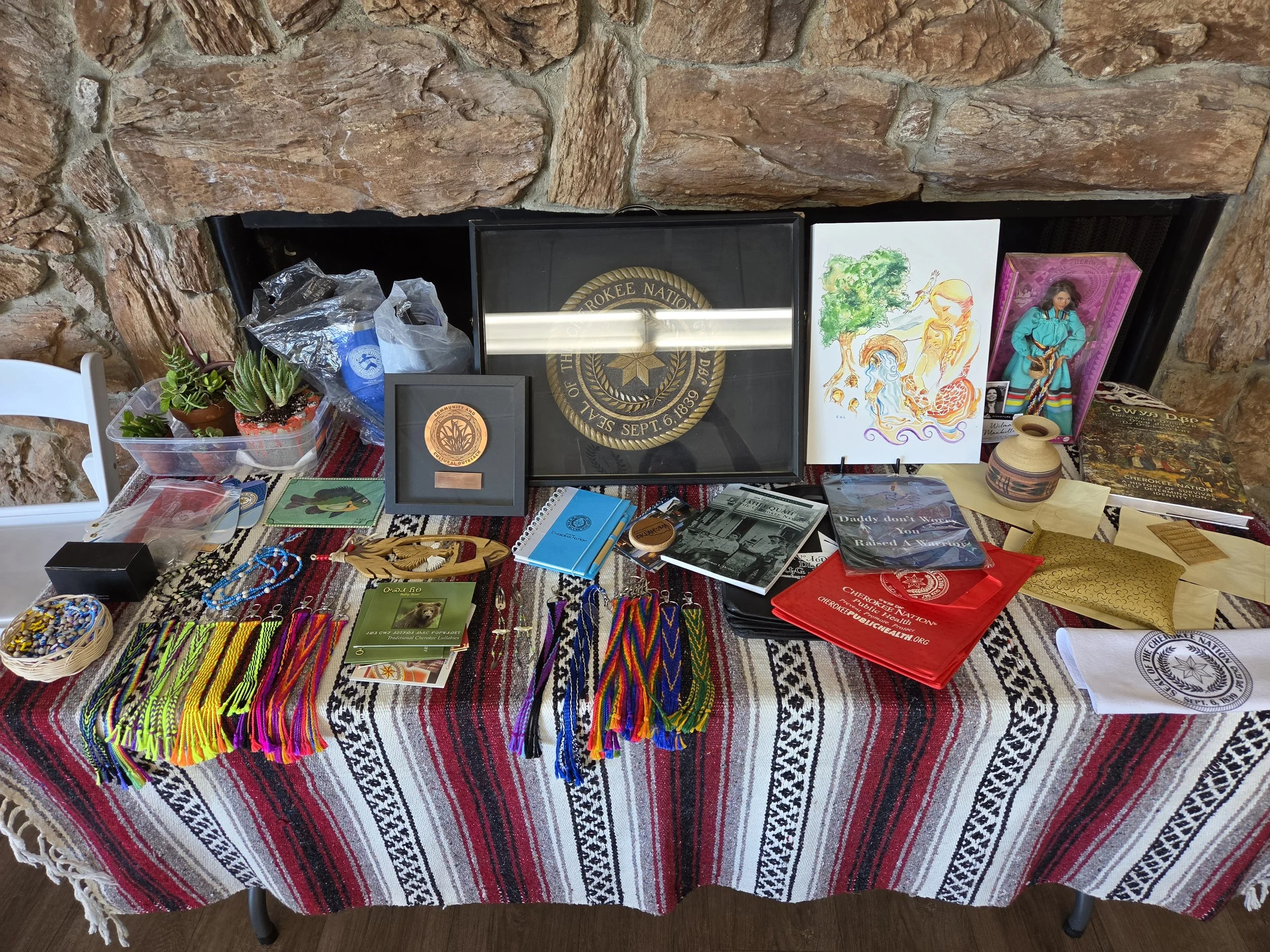
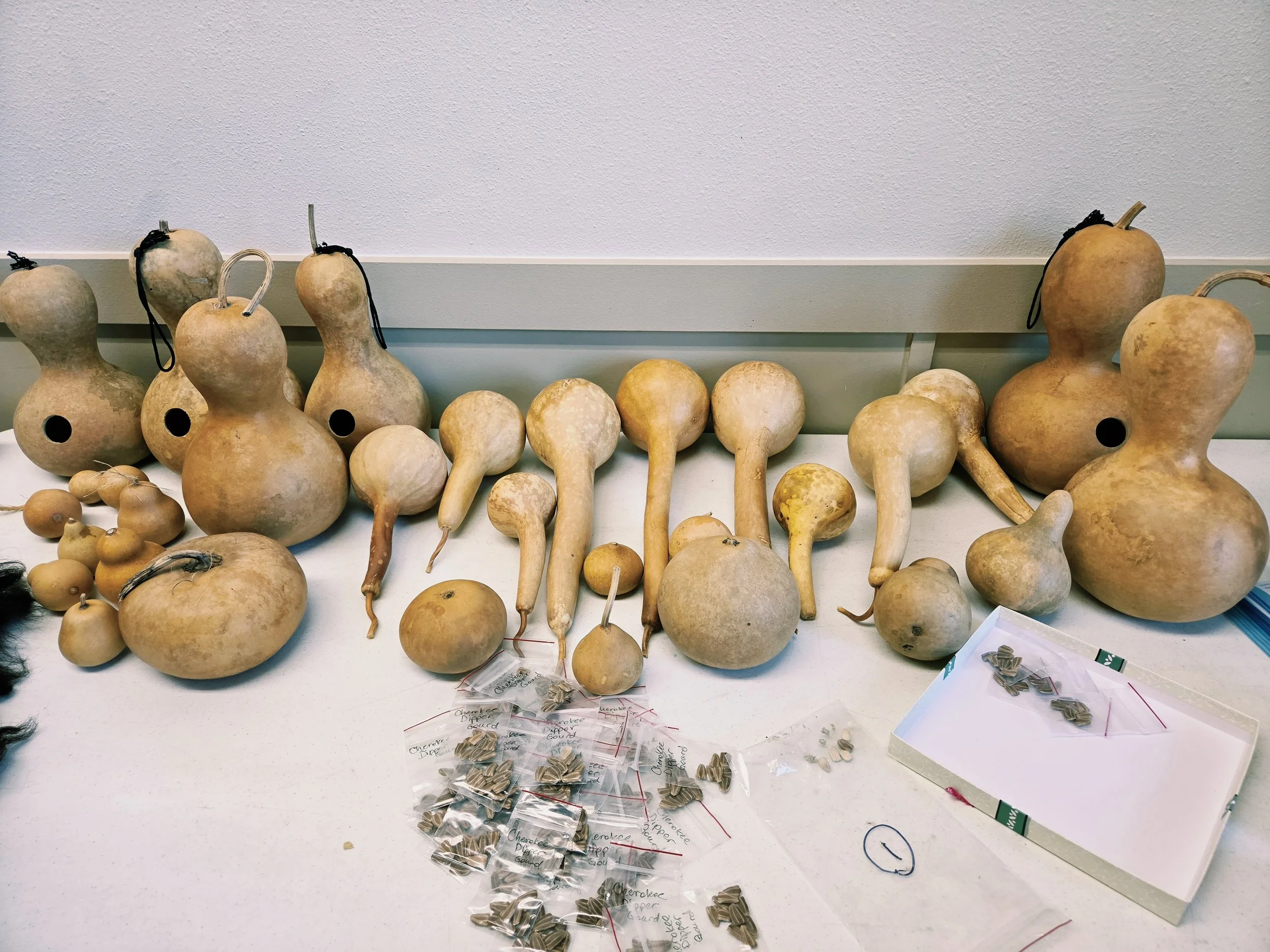
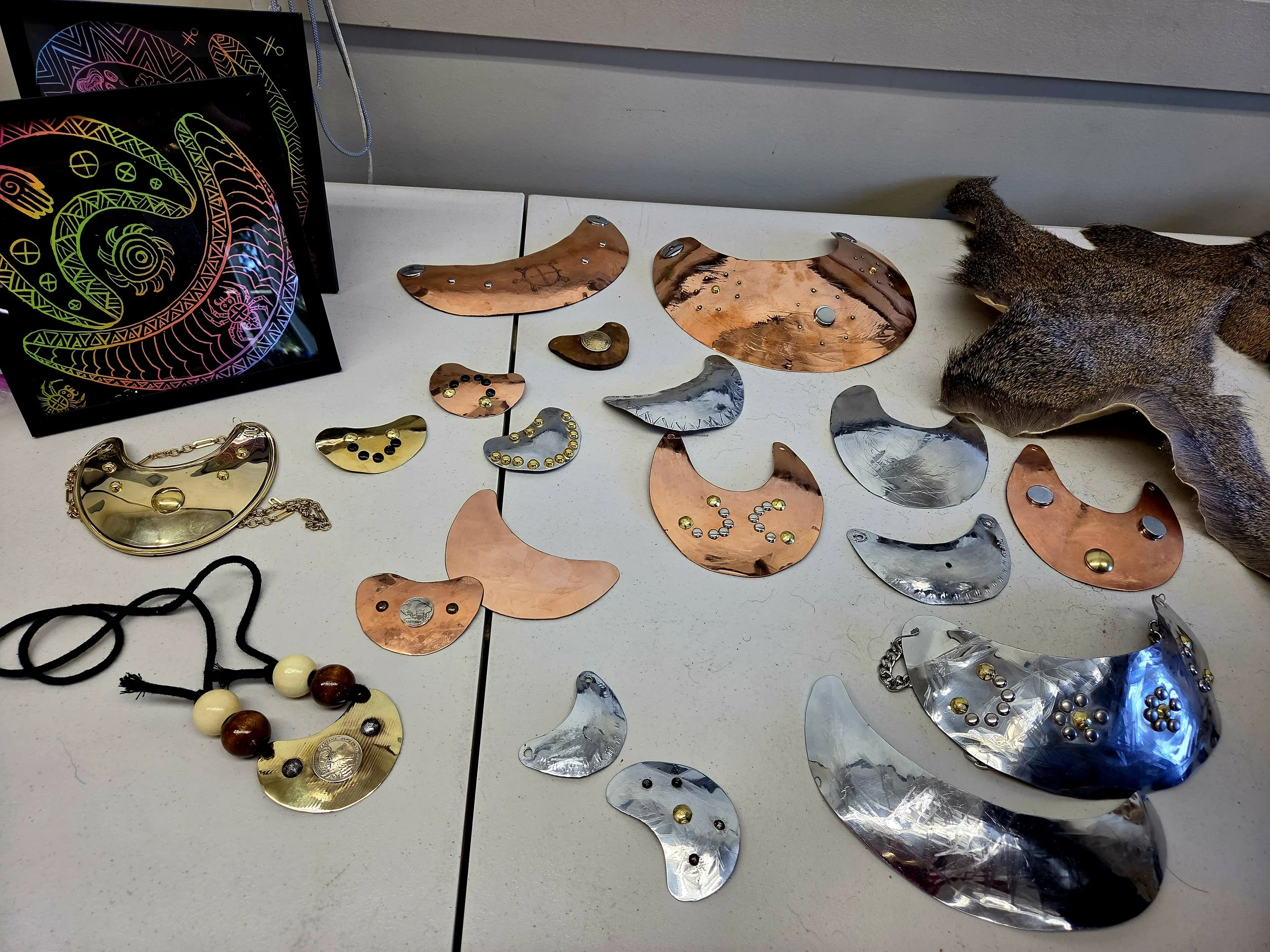
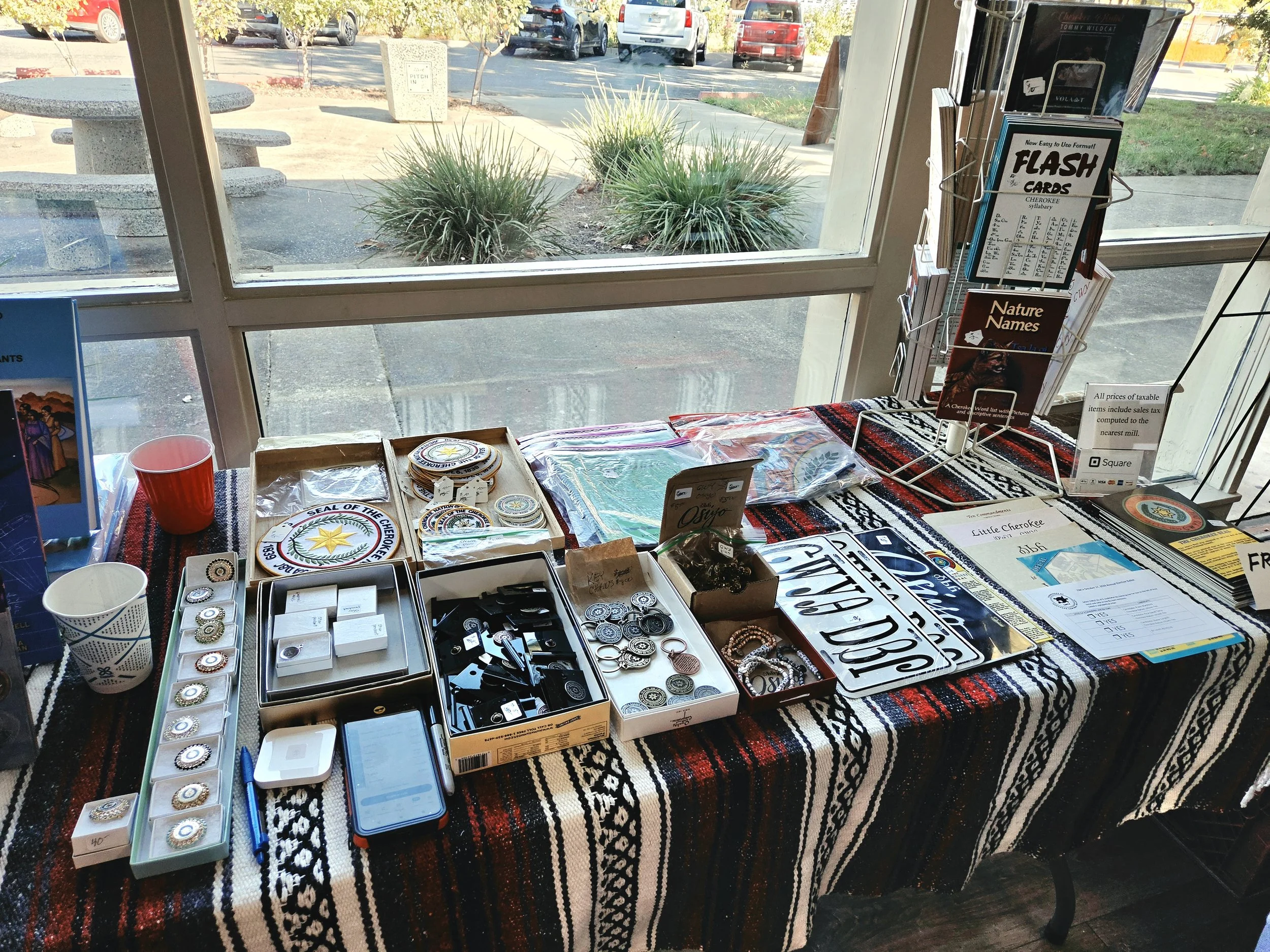
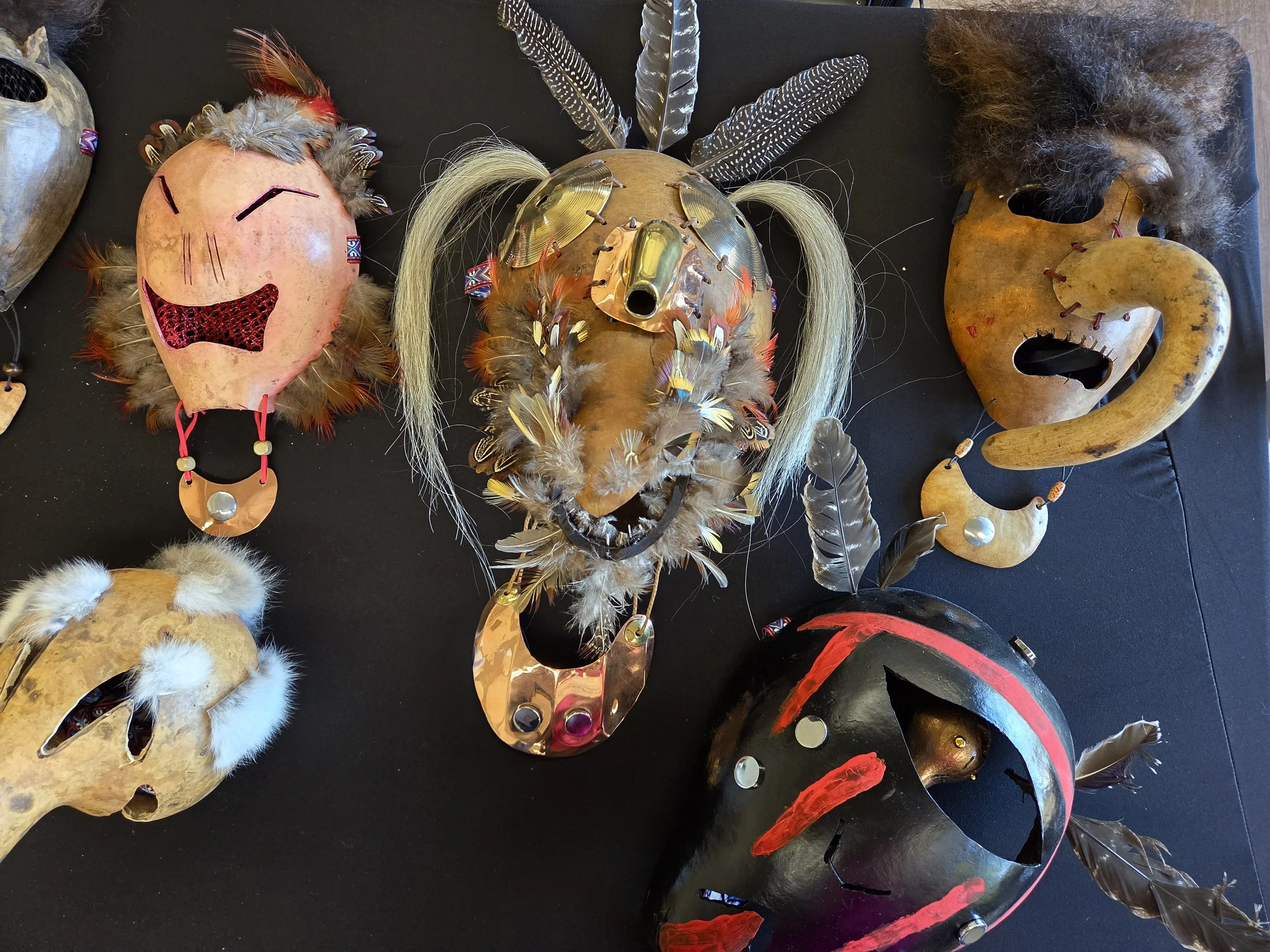
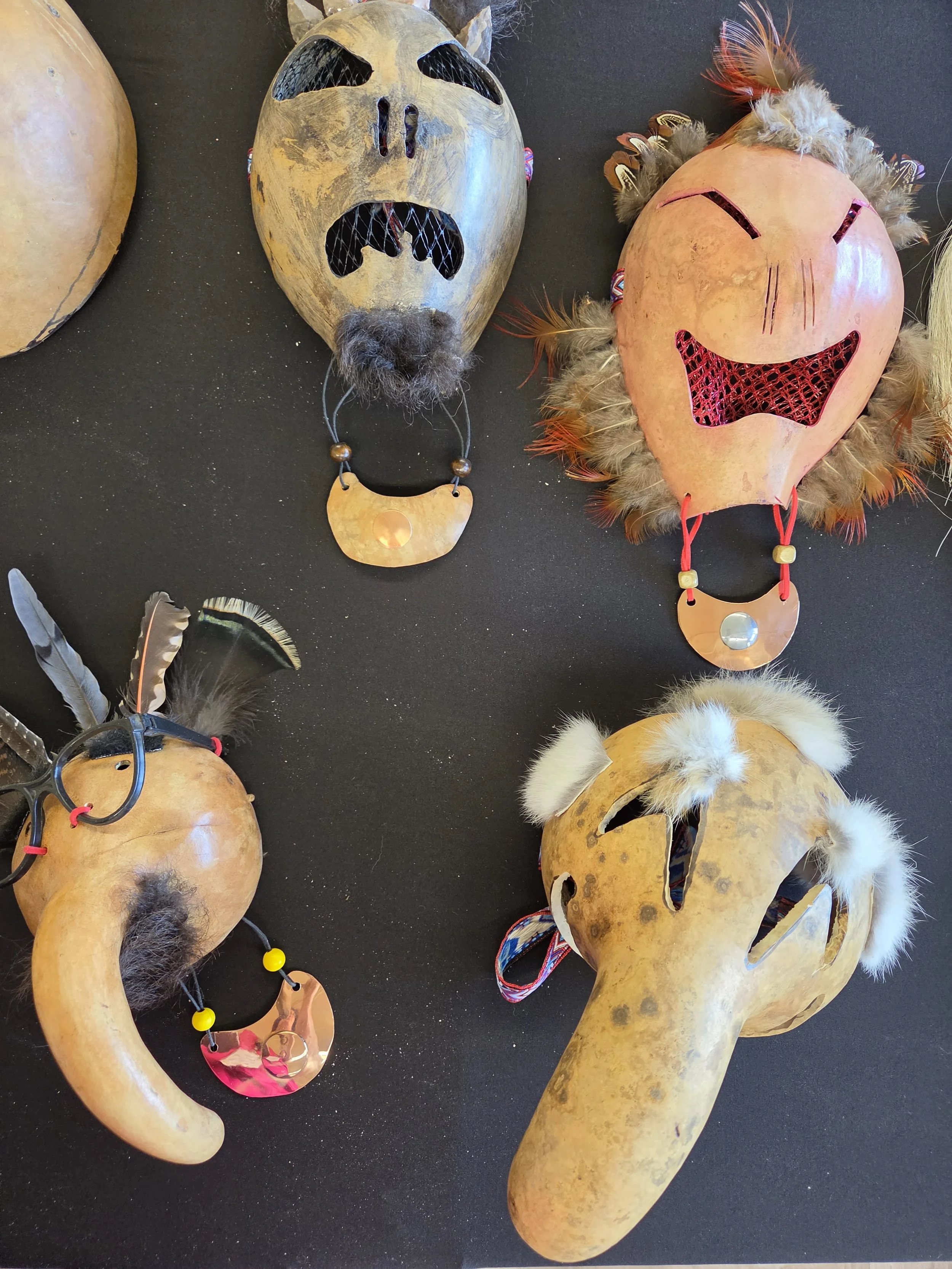
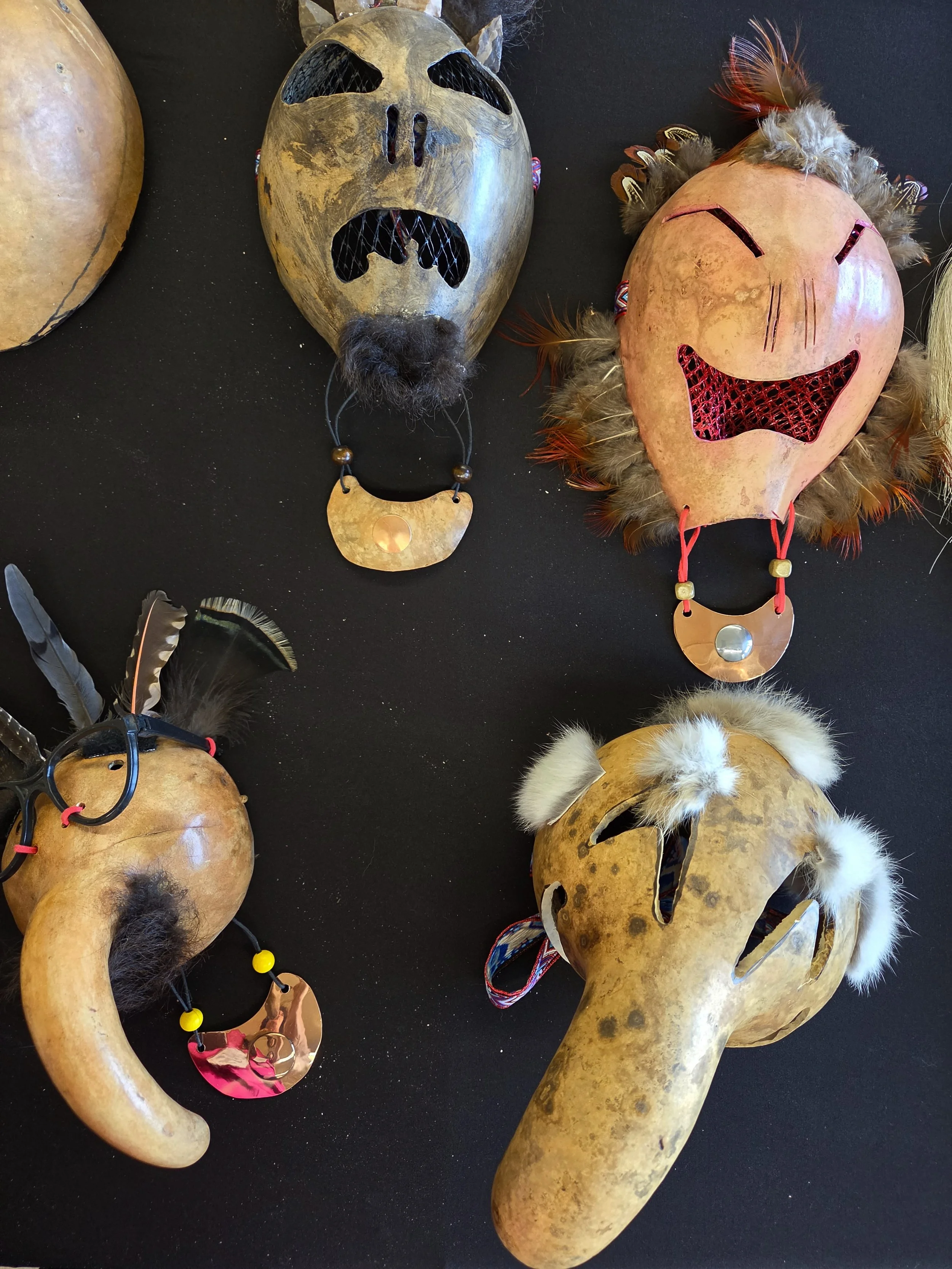
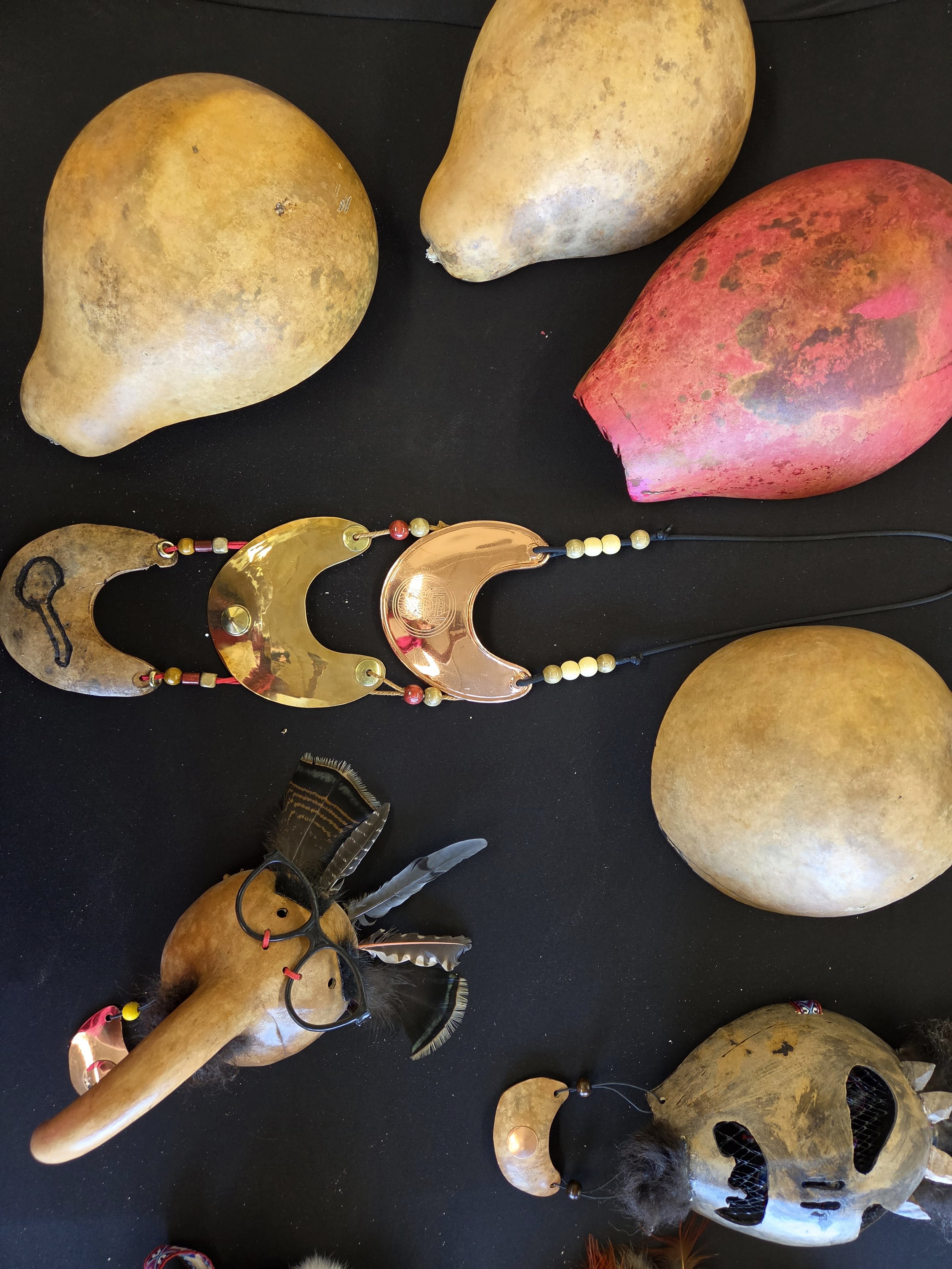
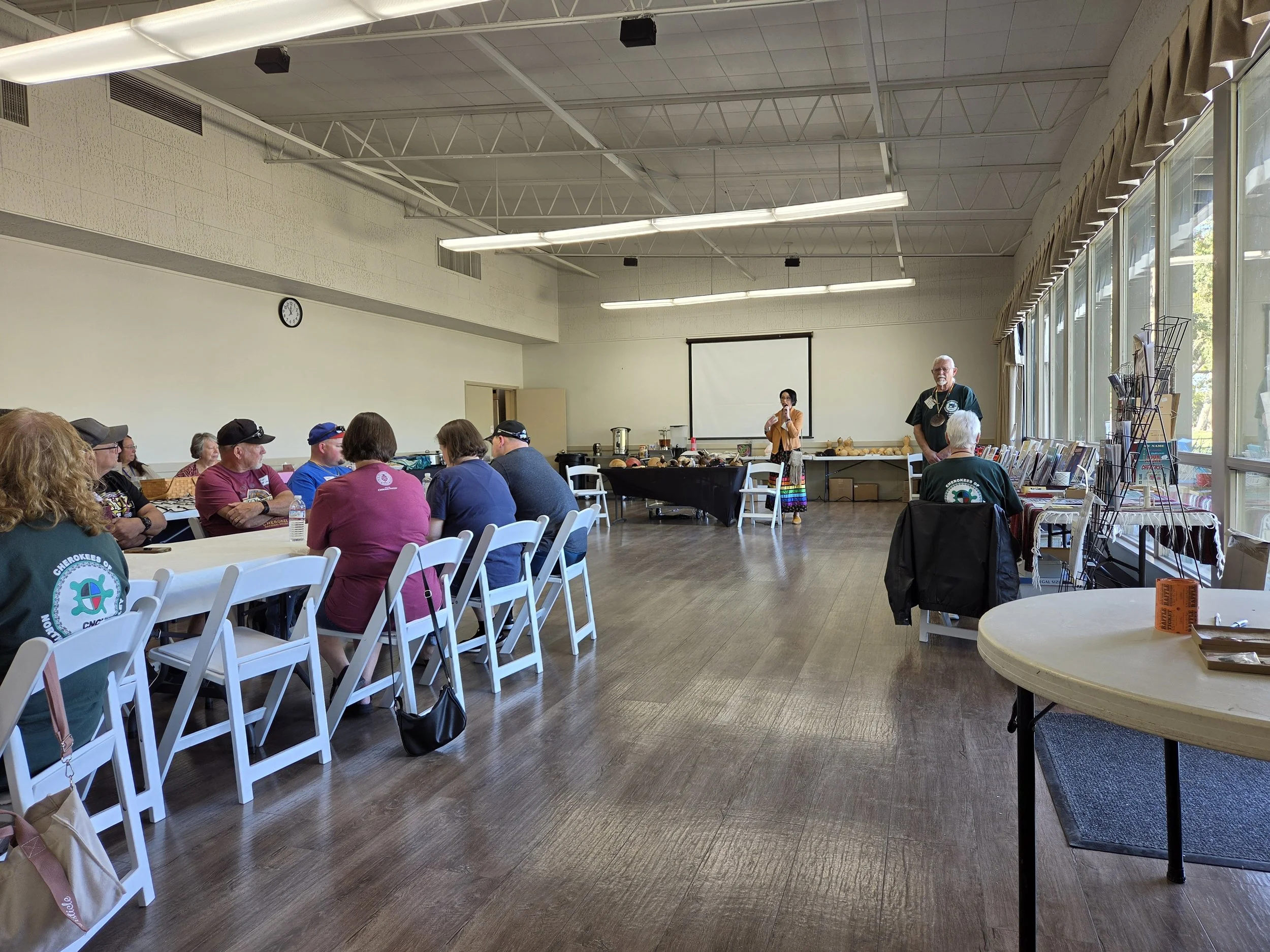
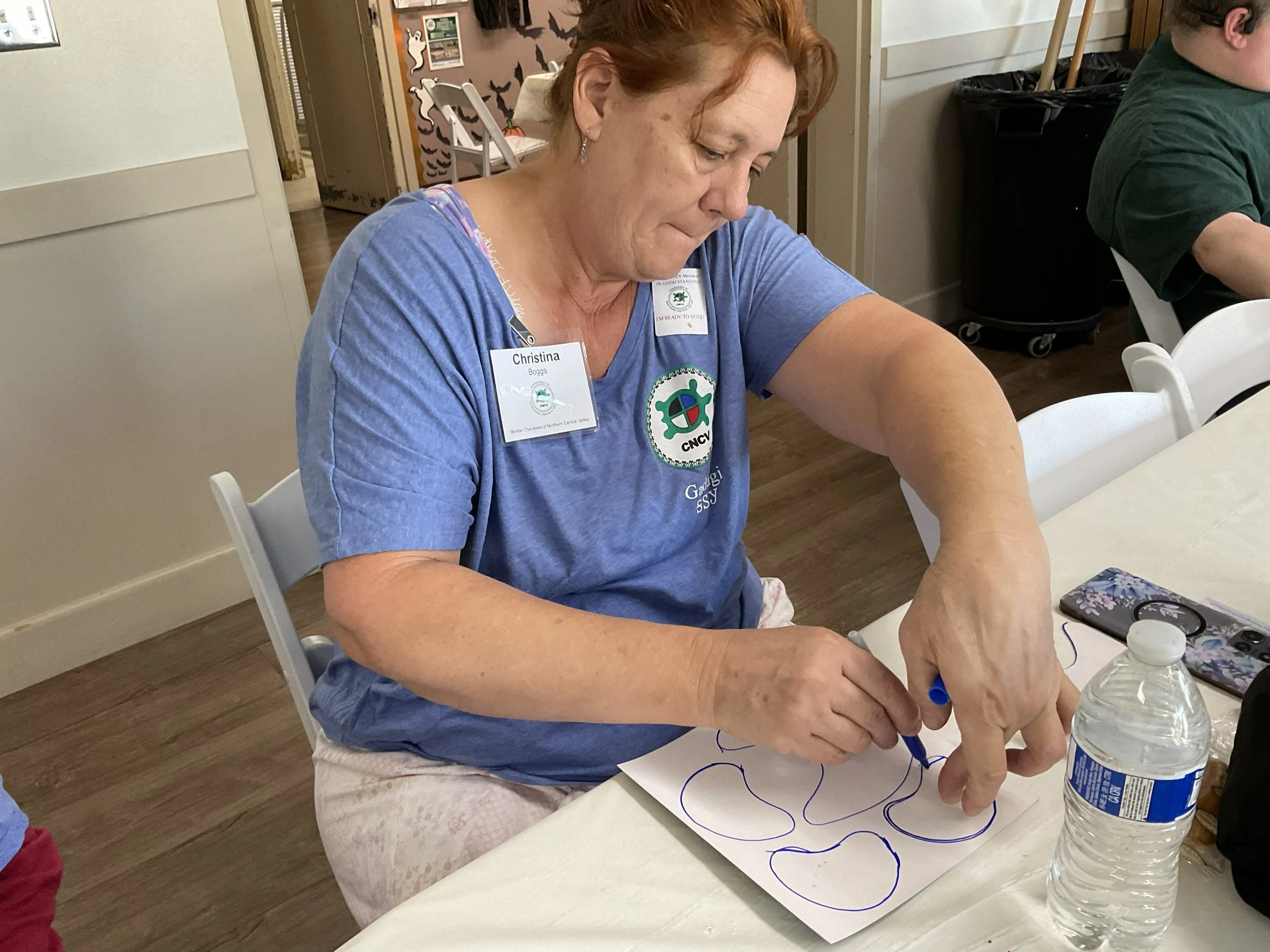
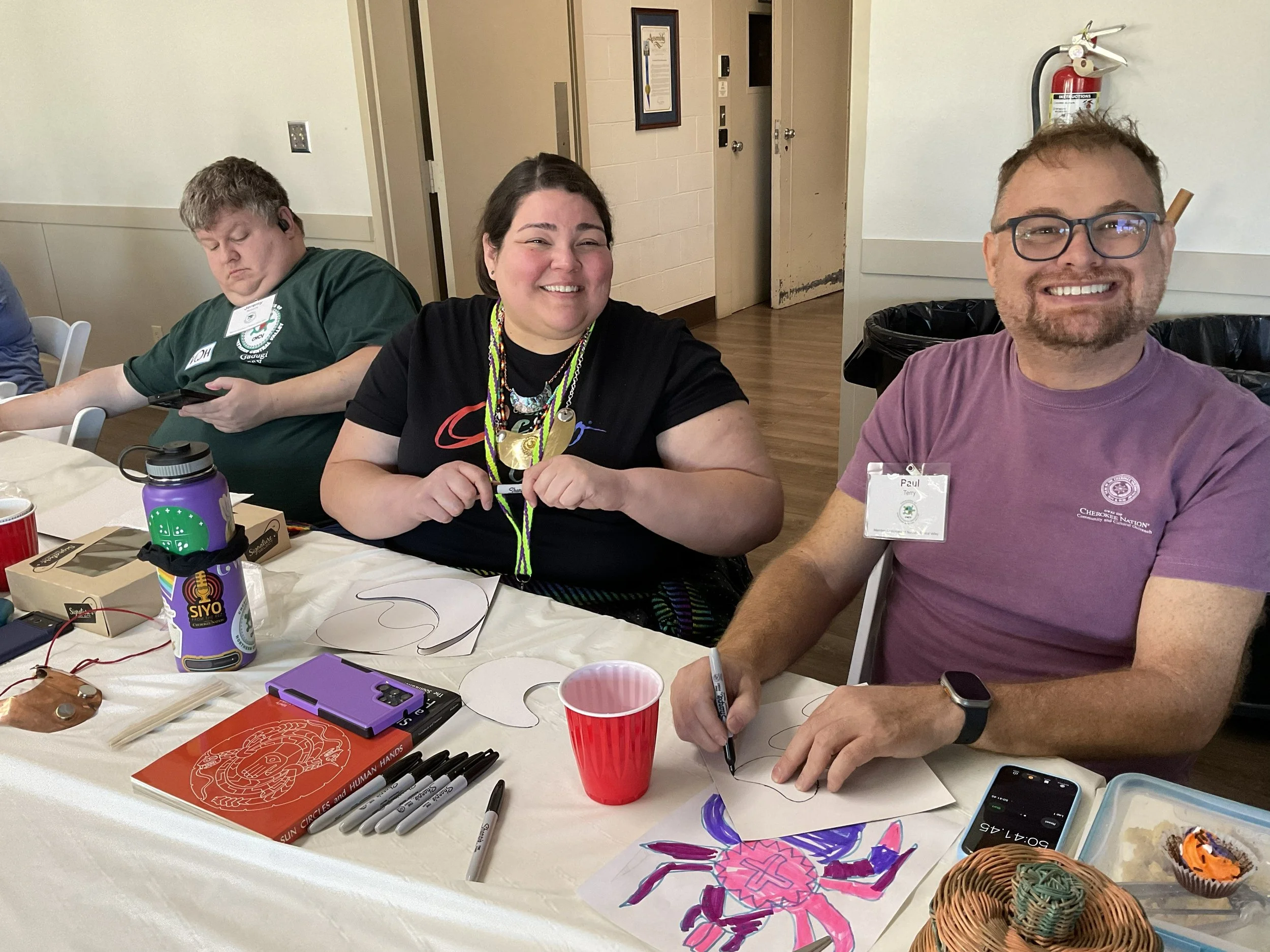
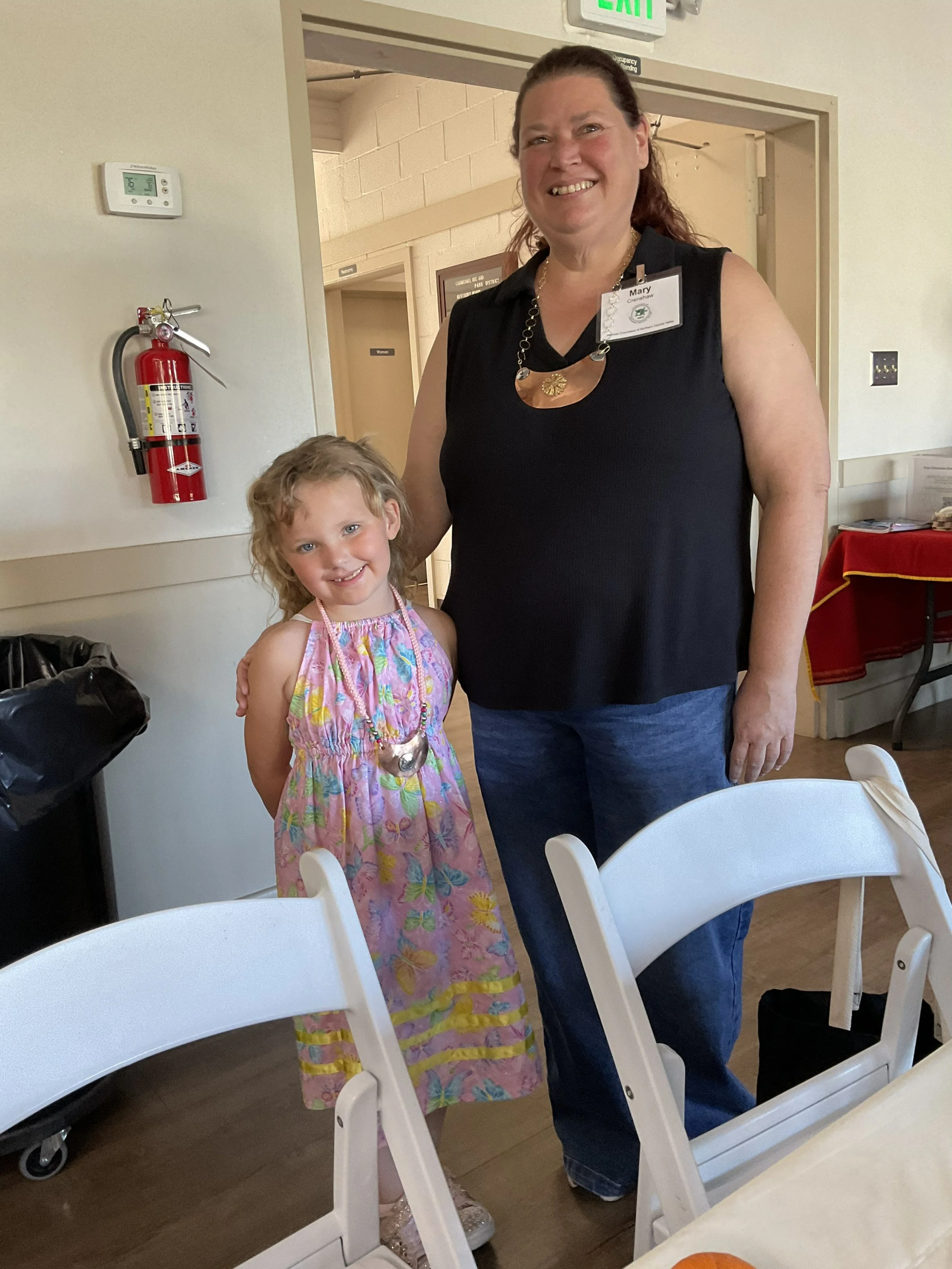
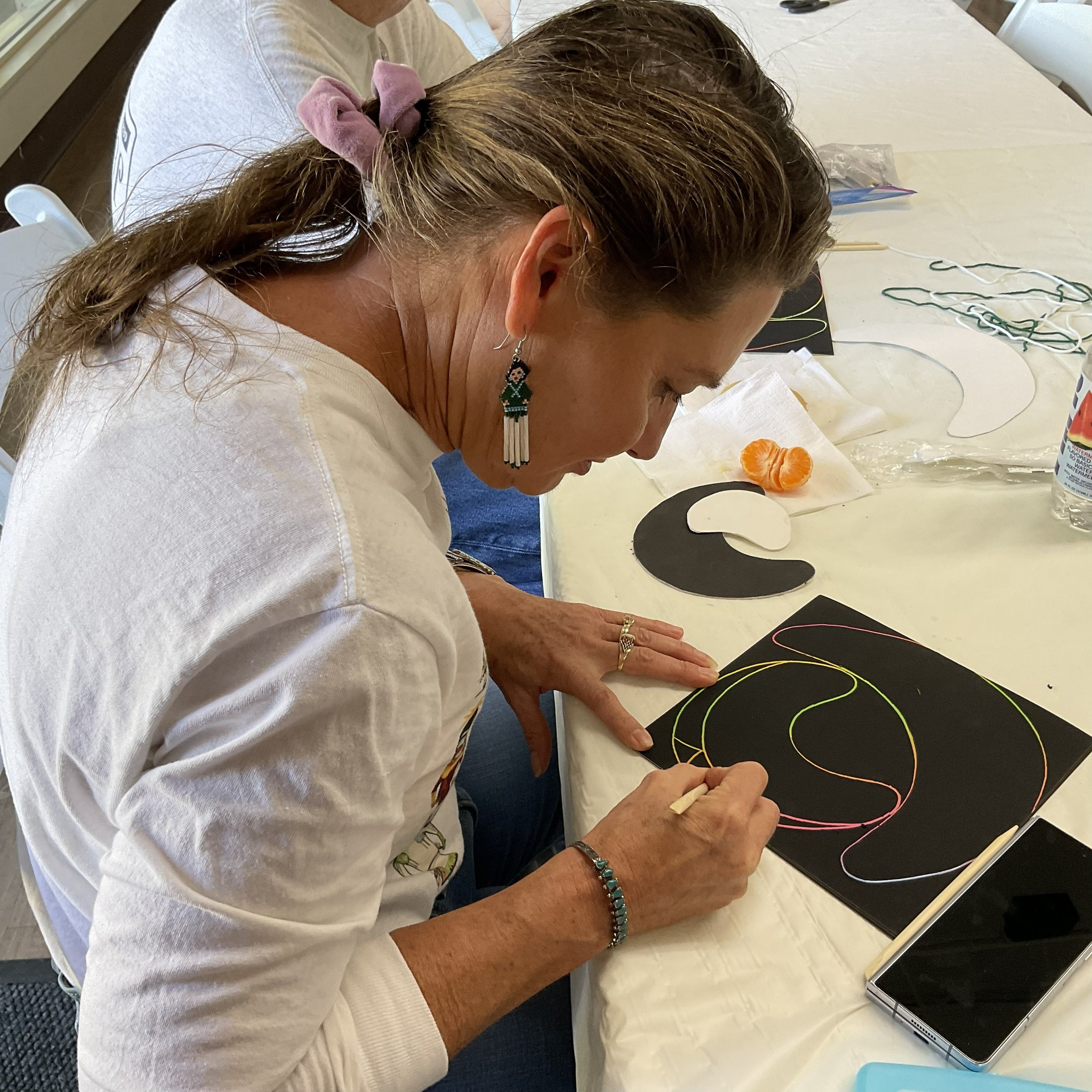
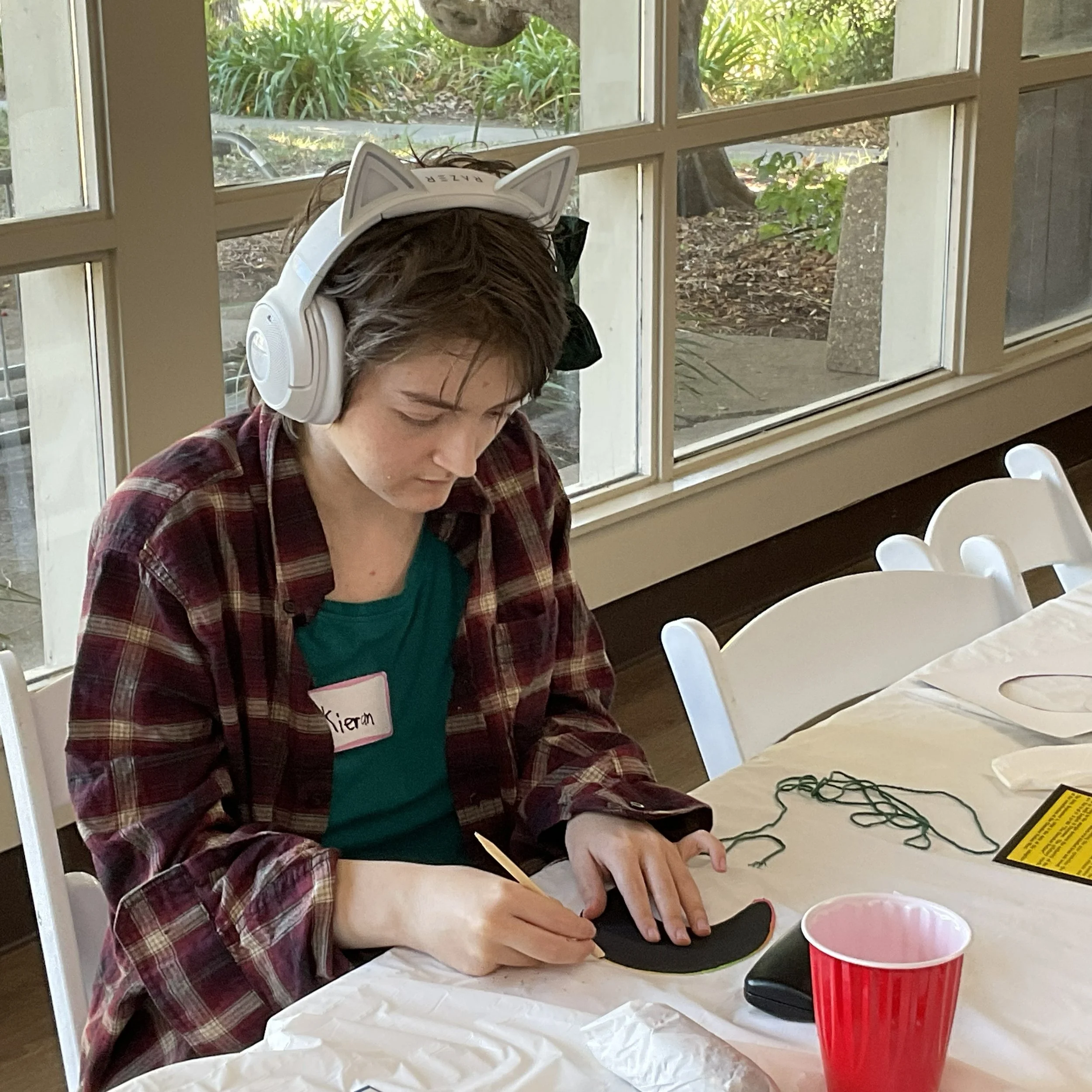
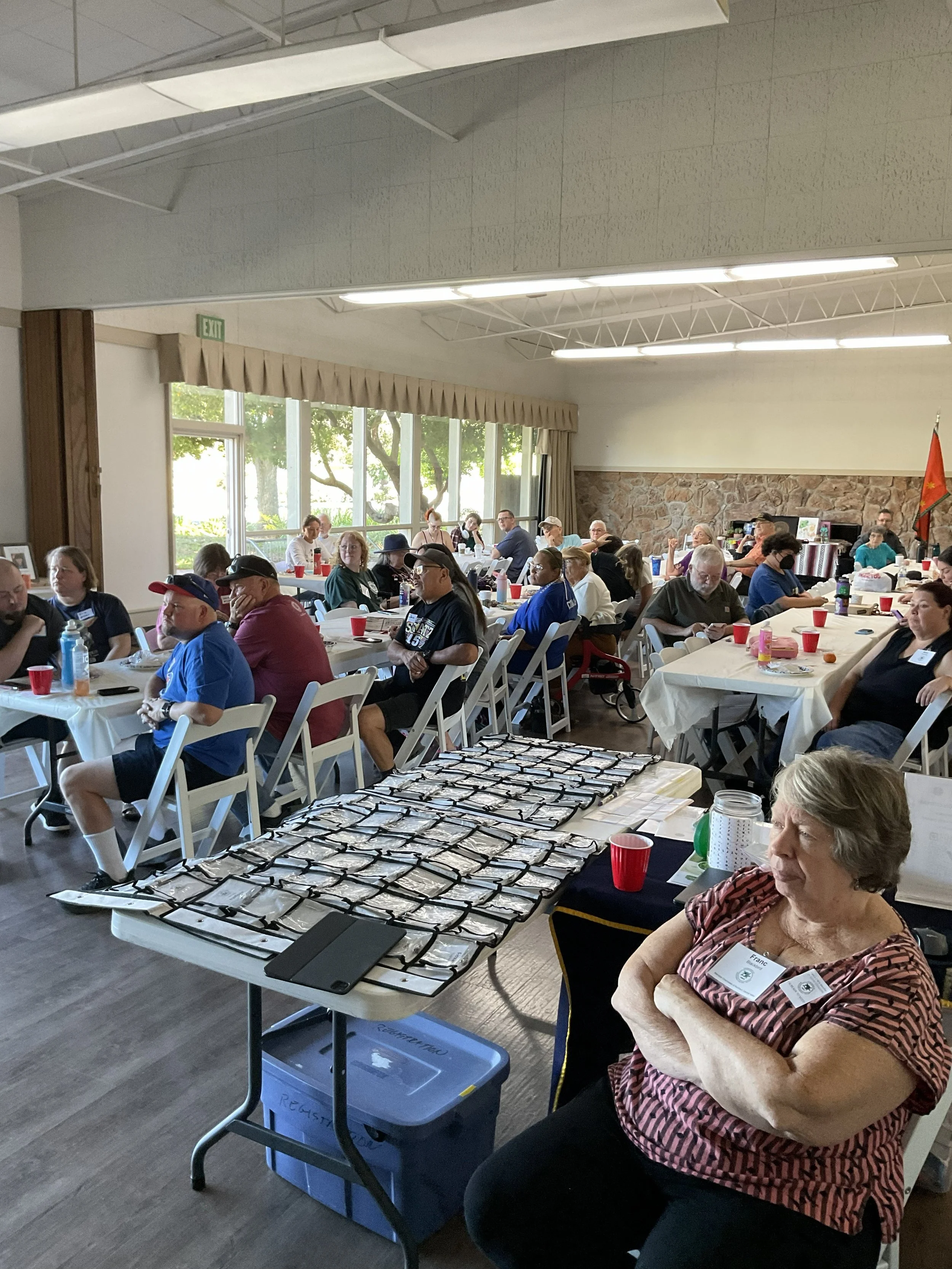
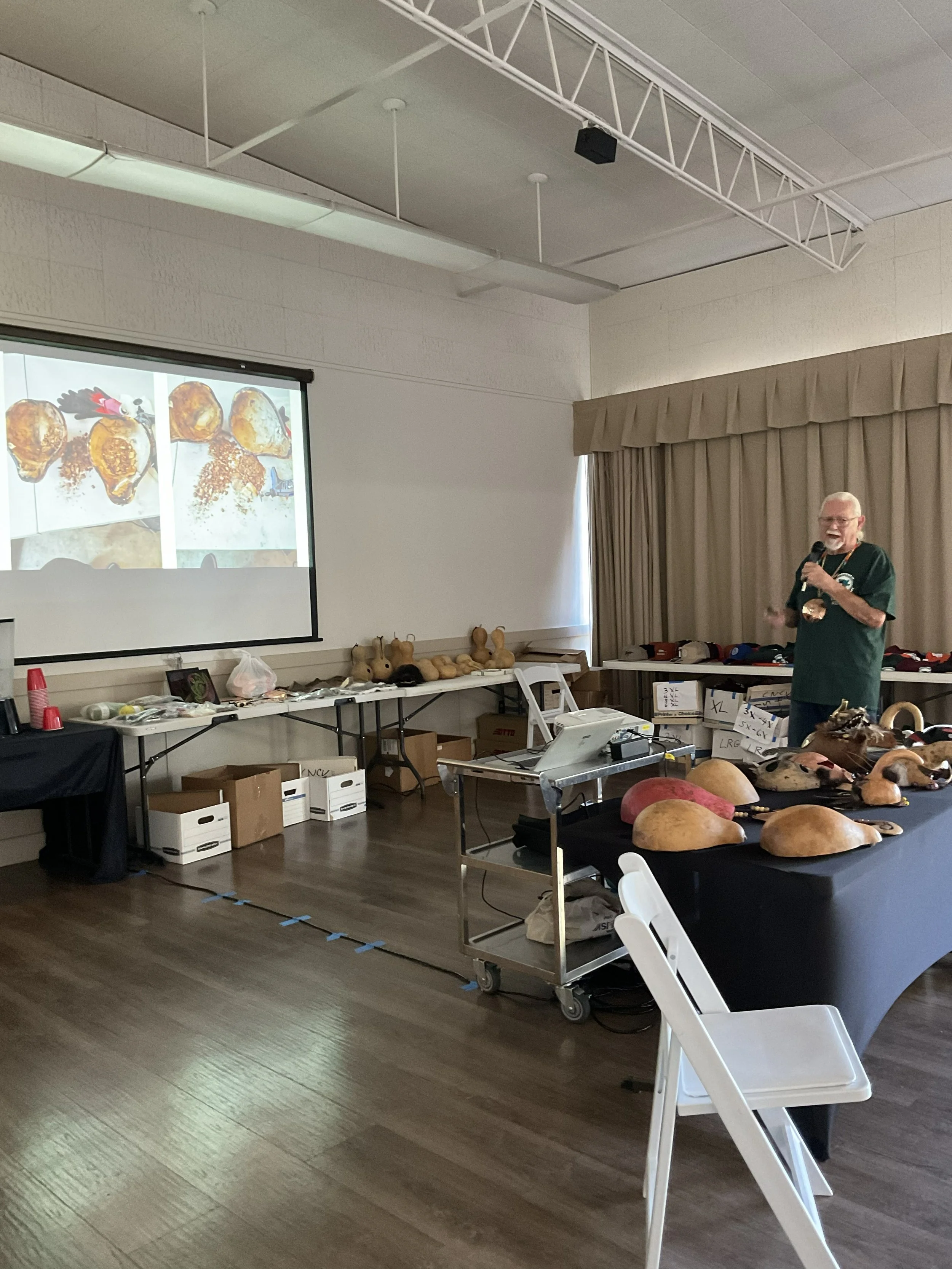
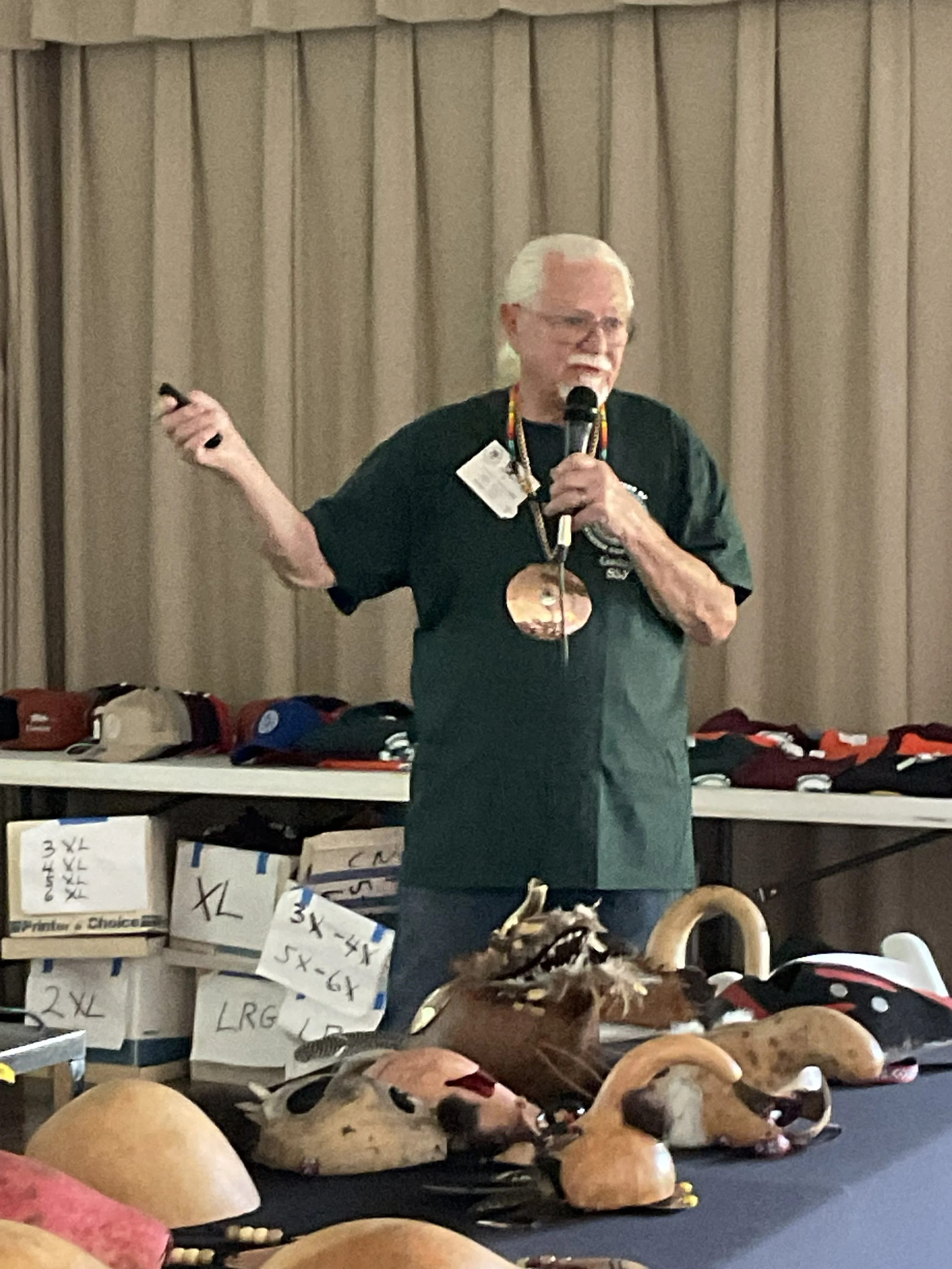
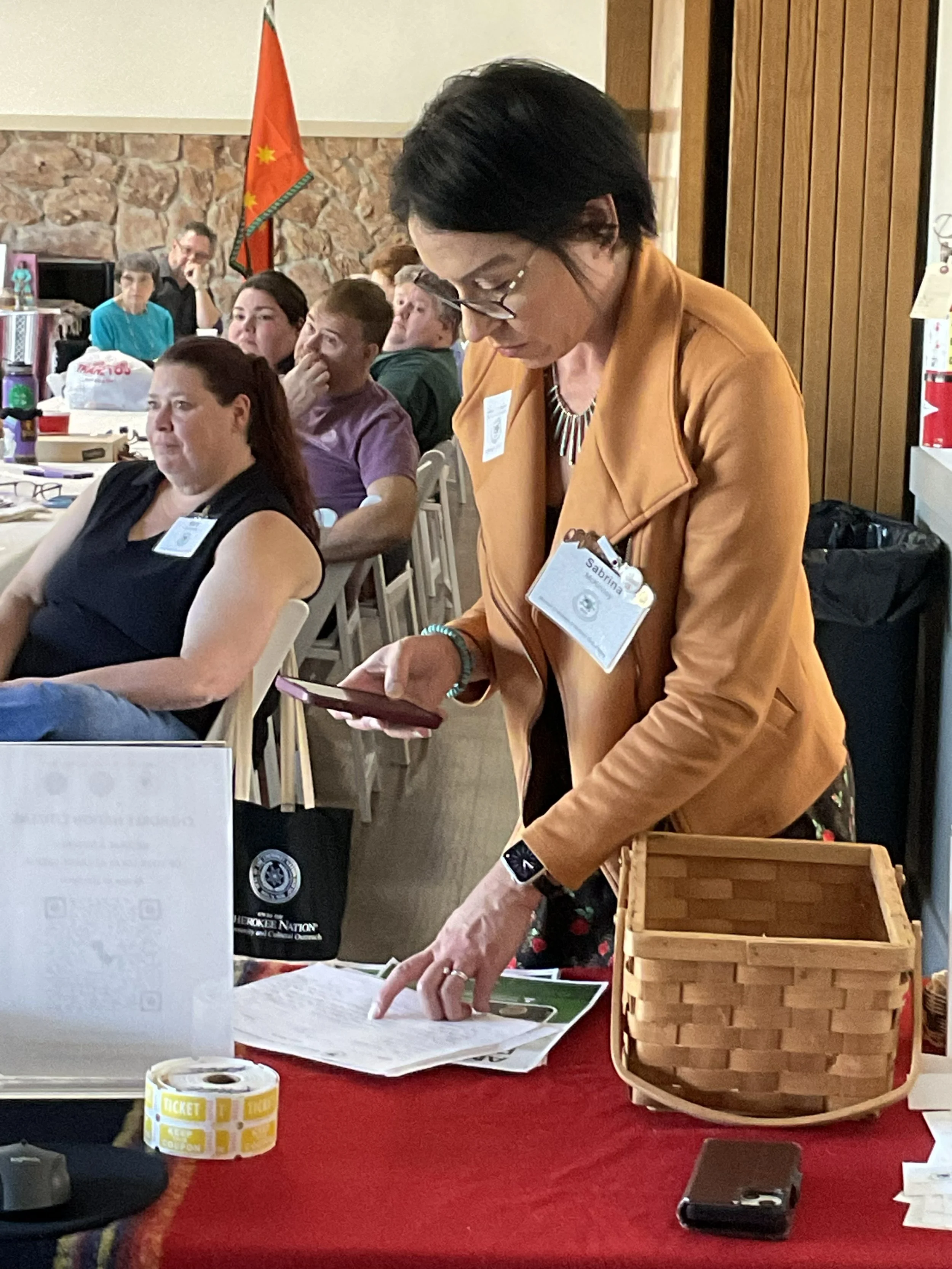
Talented artist and Honored Elder Mike Webb presented on booger masks and gorgets, displaying many of his unique works of art.
Read more about the history and use of booger masks below.
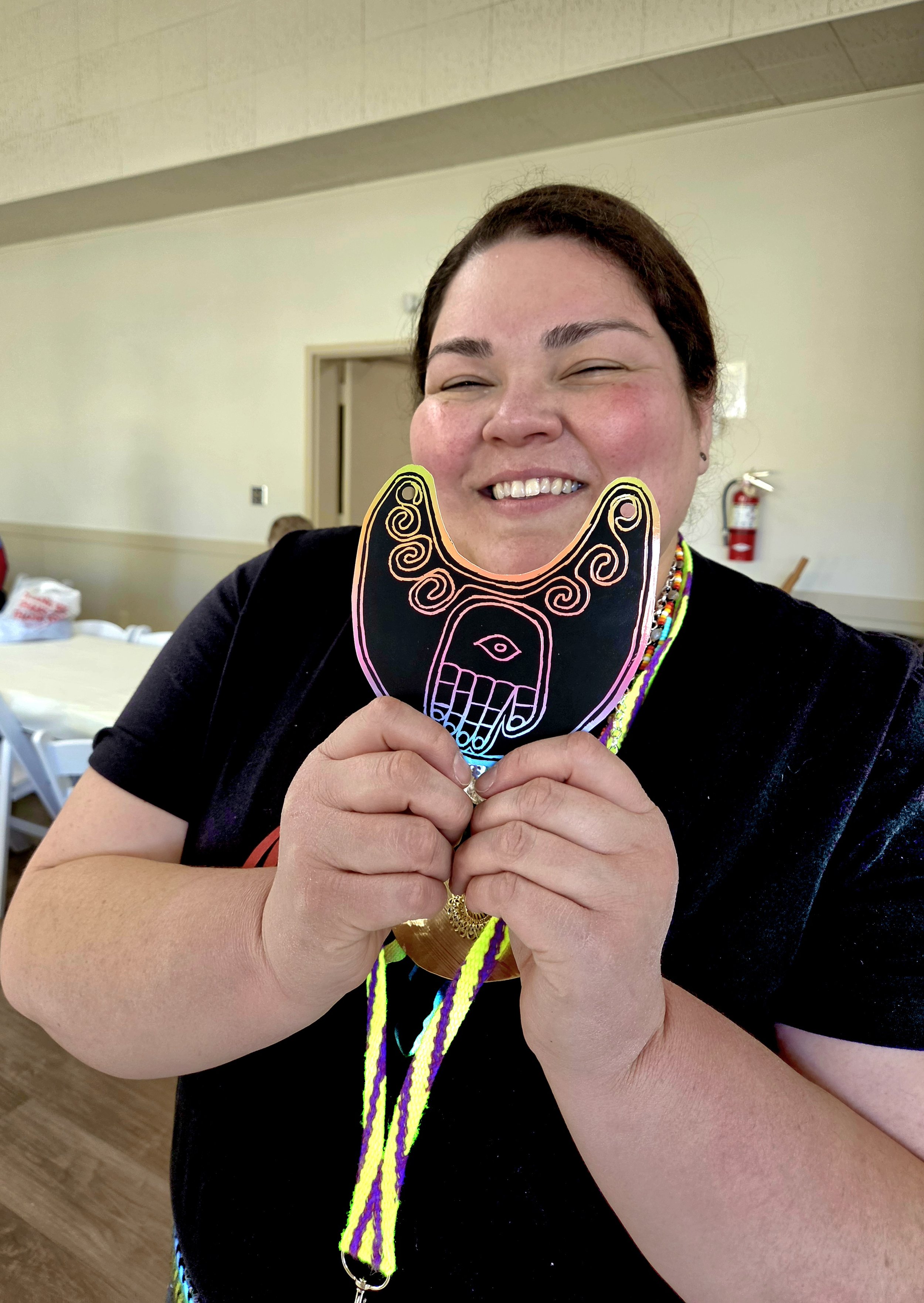
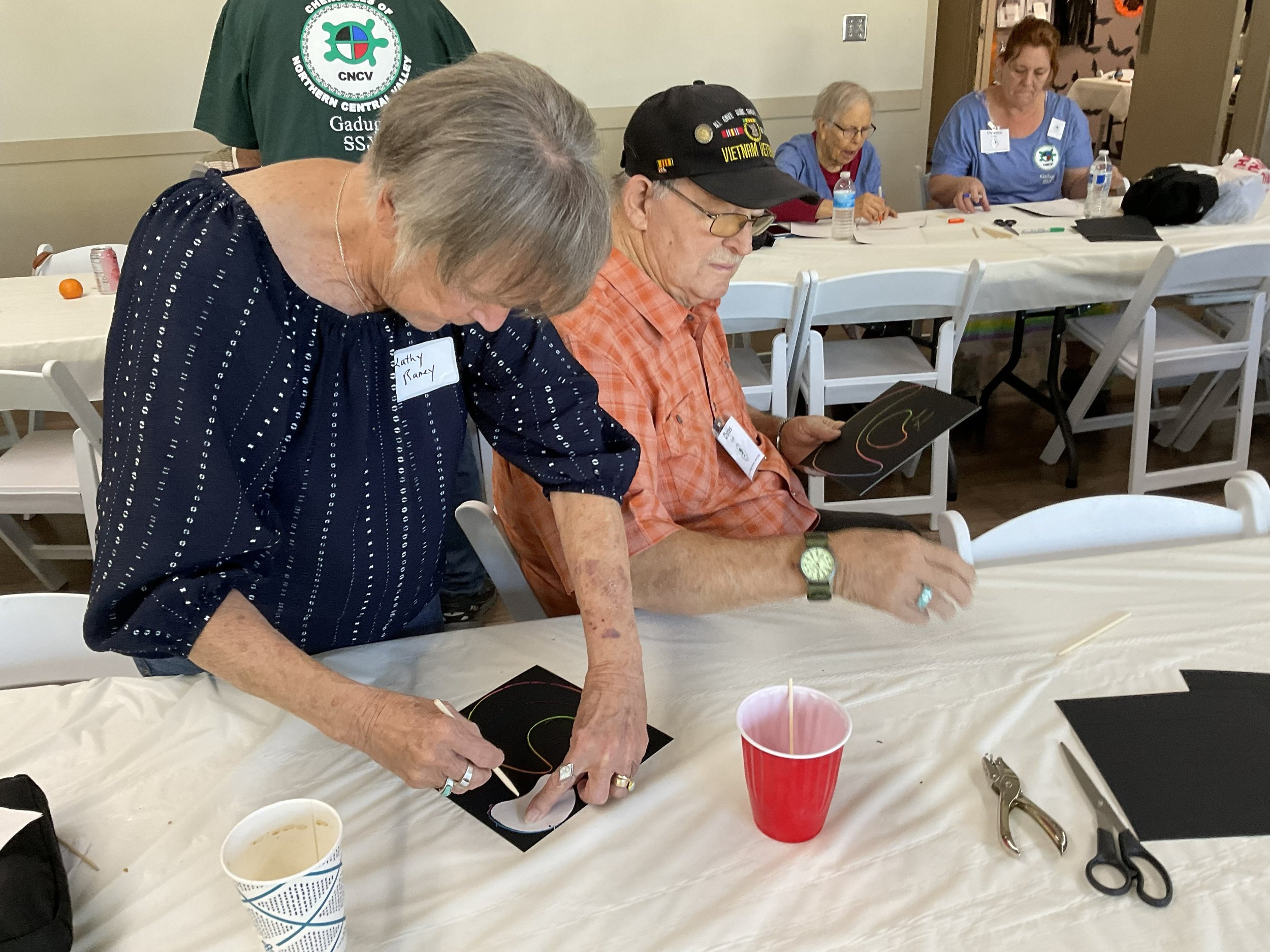
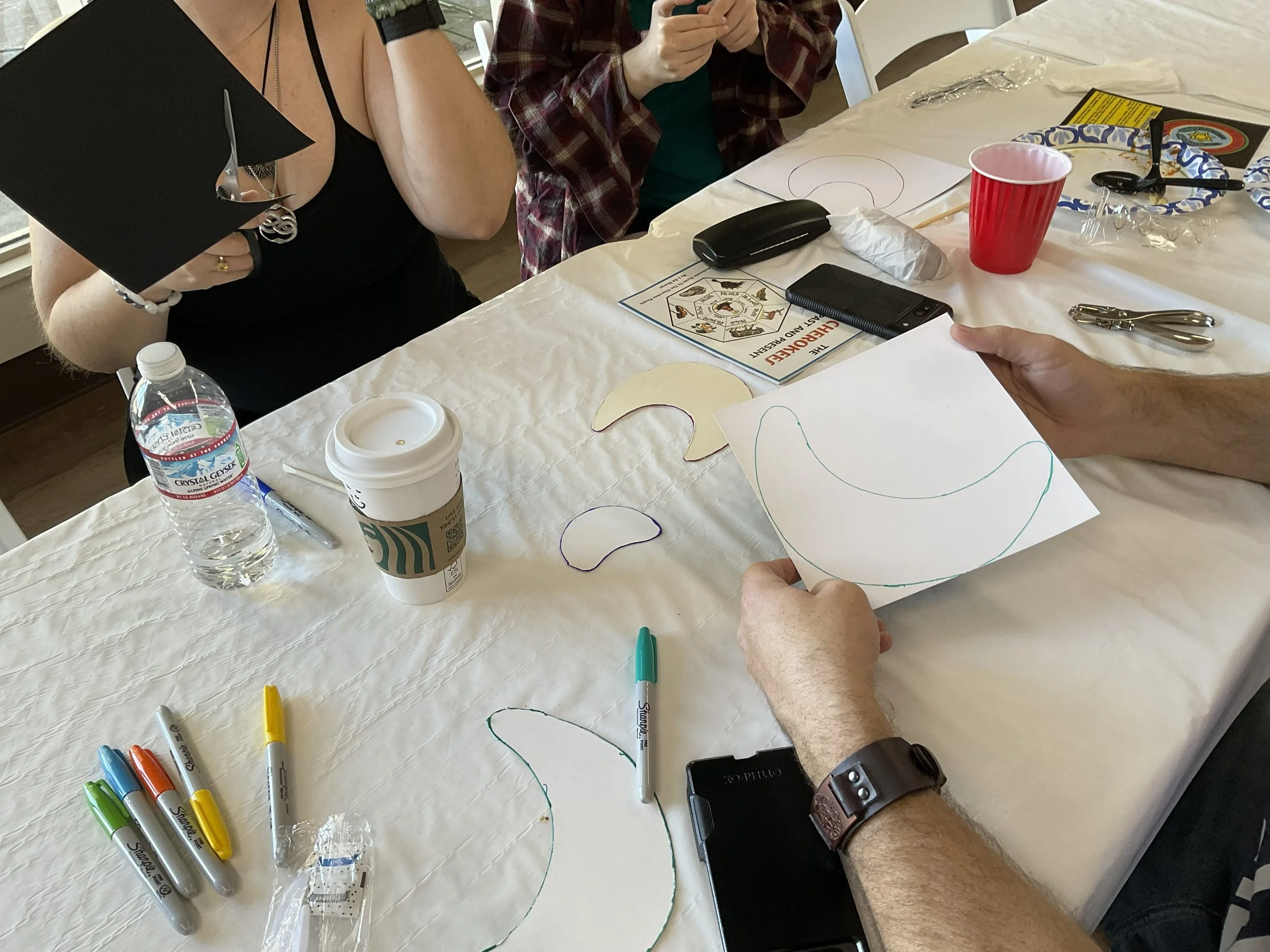
After the presentation, we made gorgets using rainbow scratch paper. There were so many beautiful designs! Our kids’ crafts table included coloring baskets, making more gorgets, and finding a hidden corn husk doll.
We had our largest giveaway to date, giving out about 45 items, including handcrafted necklaces, plants, books, CDs, and works of art.
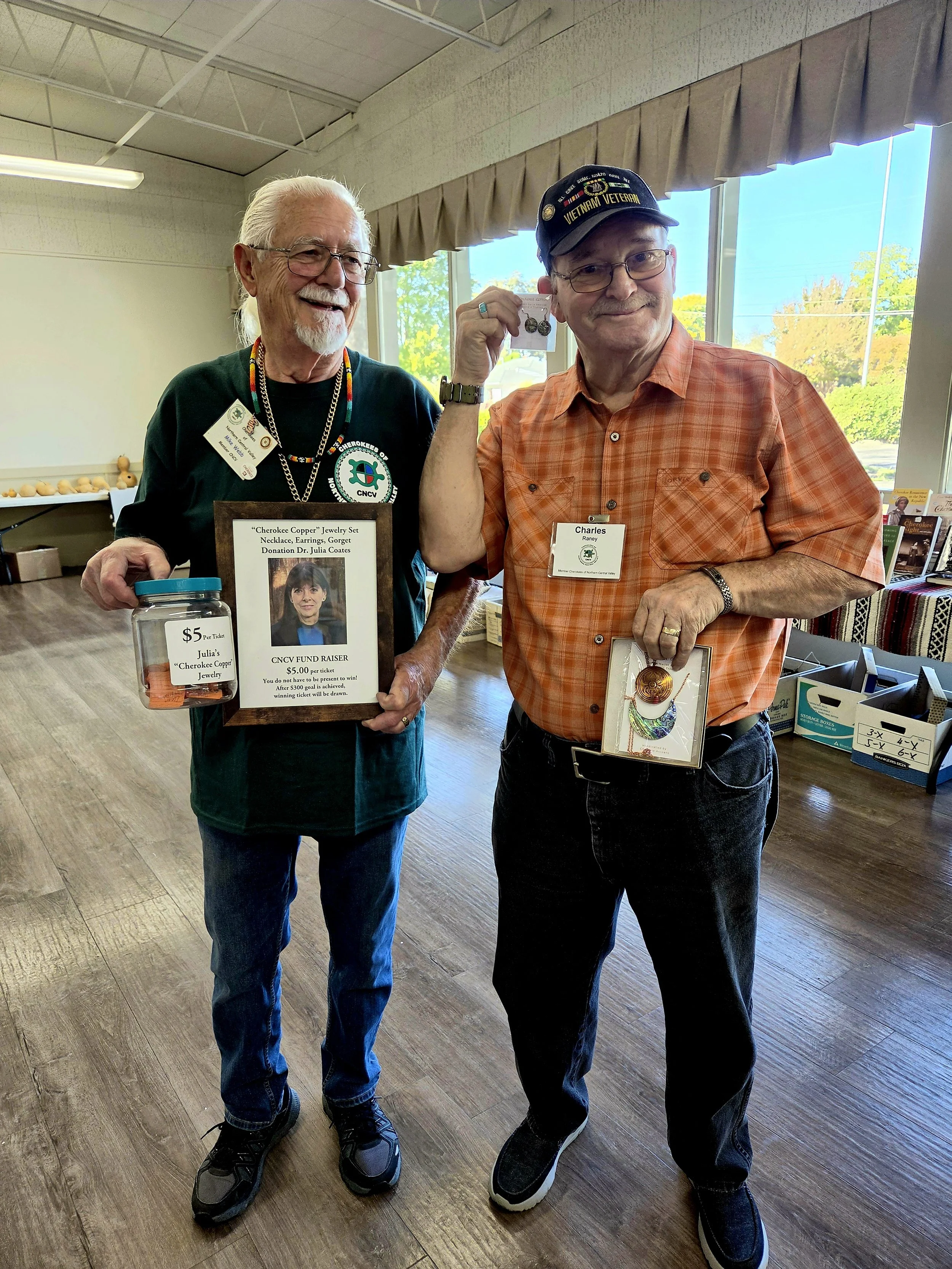
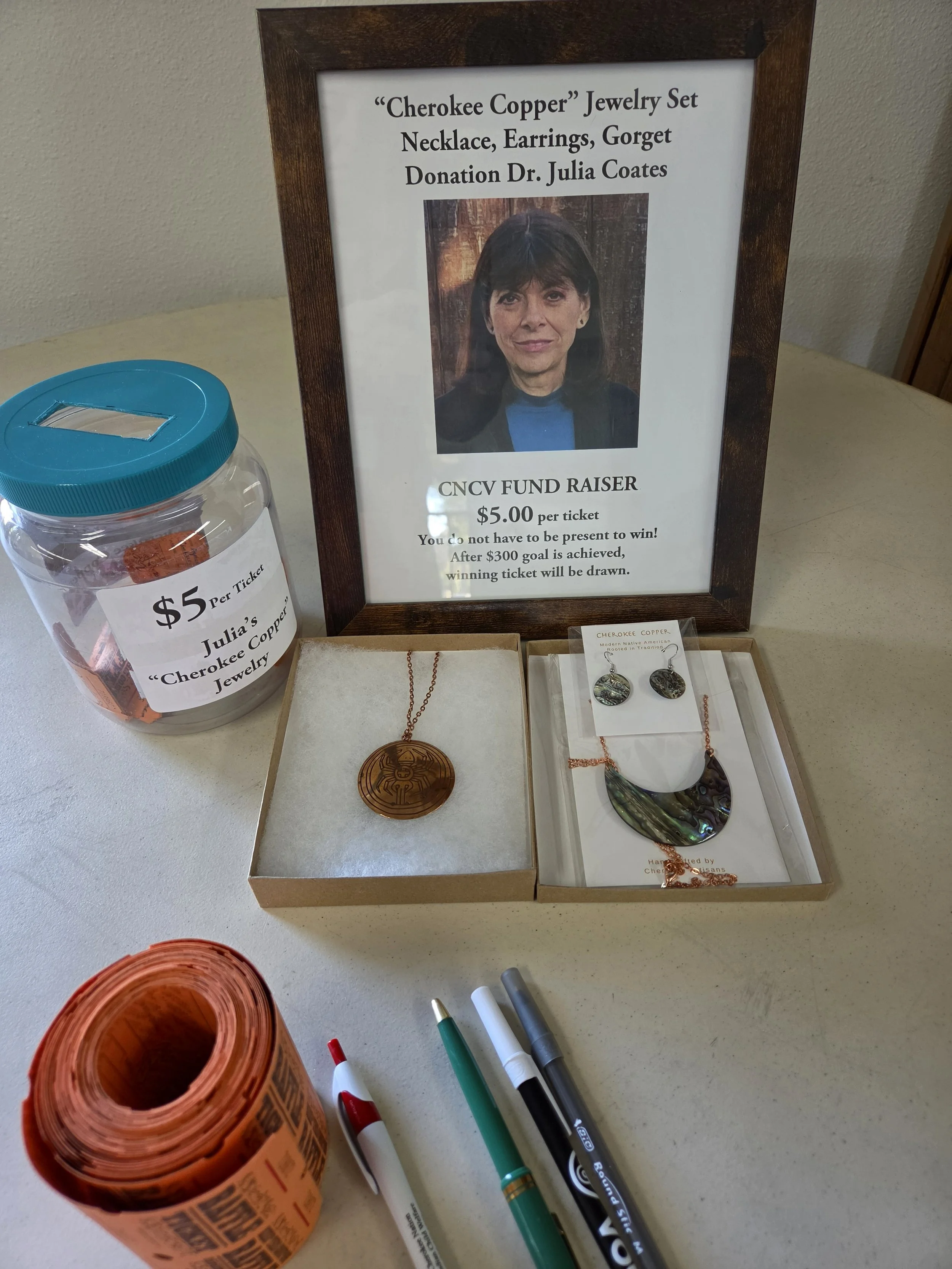
We drew a winner for the Cherokee Copper jewelry, including an abalone shell gorget, donated by Dr. Julia Coates, At-Large Councilor. Congratulations to Charles Raney!
We had our annual election, in which we elected Franc Blackbird and re-elected Paul David Terry and Sheila Zangrilli to the CNCV board. We are sincerely grateful to all who volunteer their time and talents to support our community. Wado to all! We also approved the proposed edits to the CNCV’s by-laws, now published on our website.
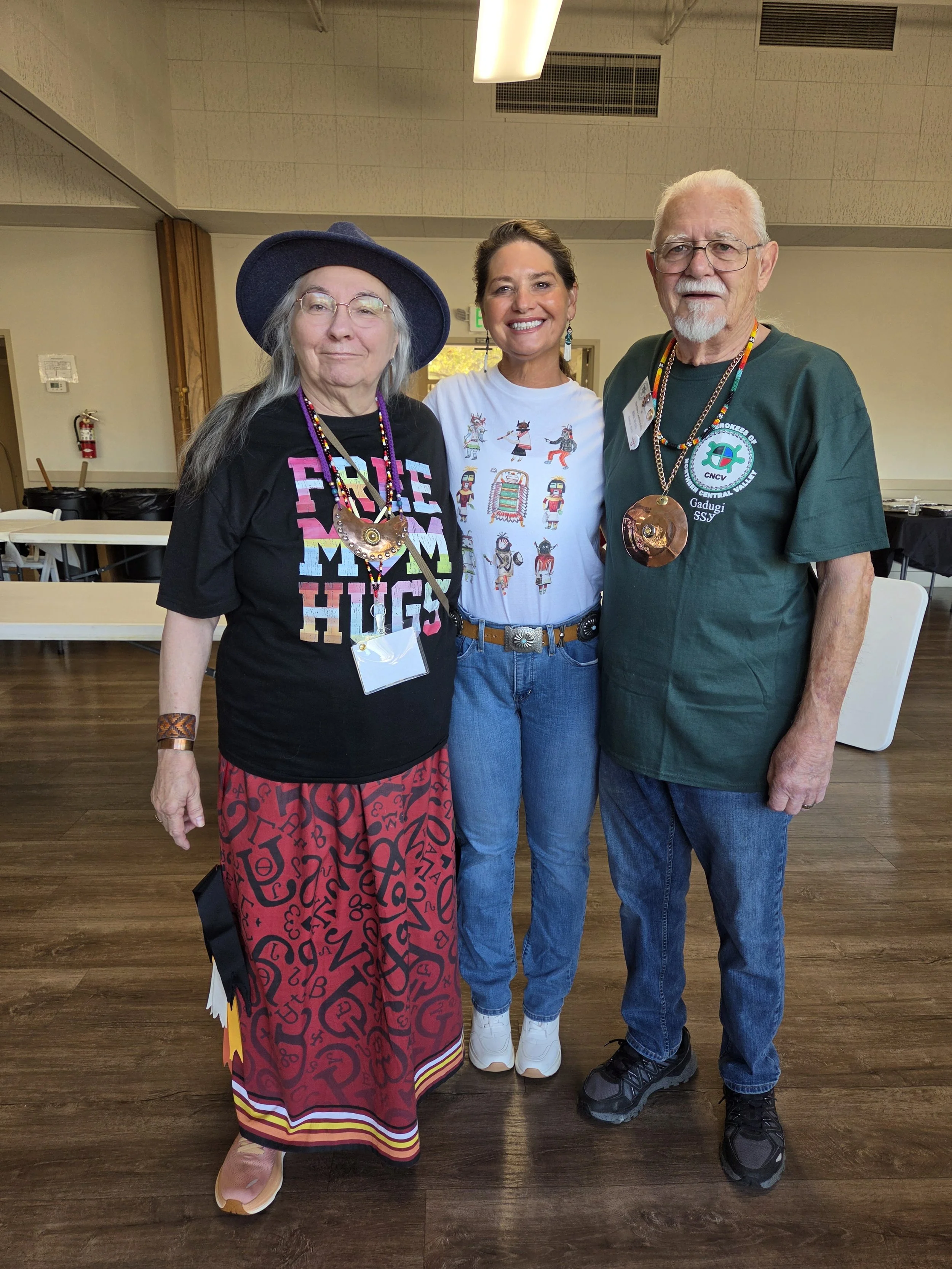
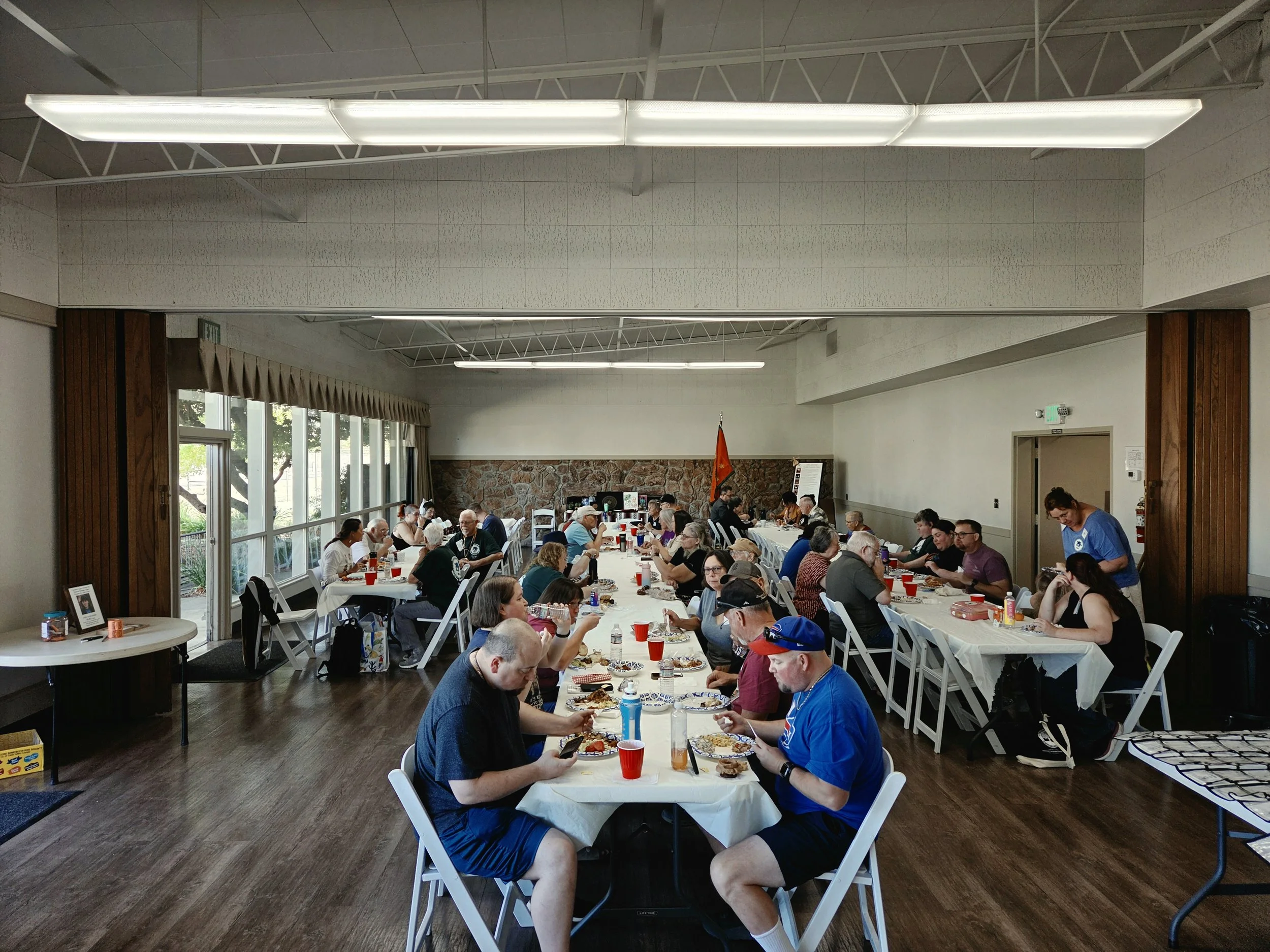
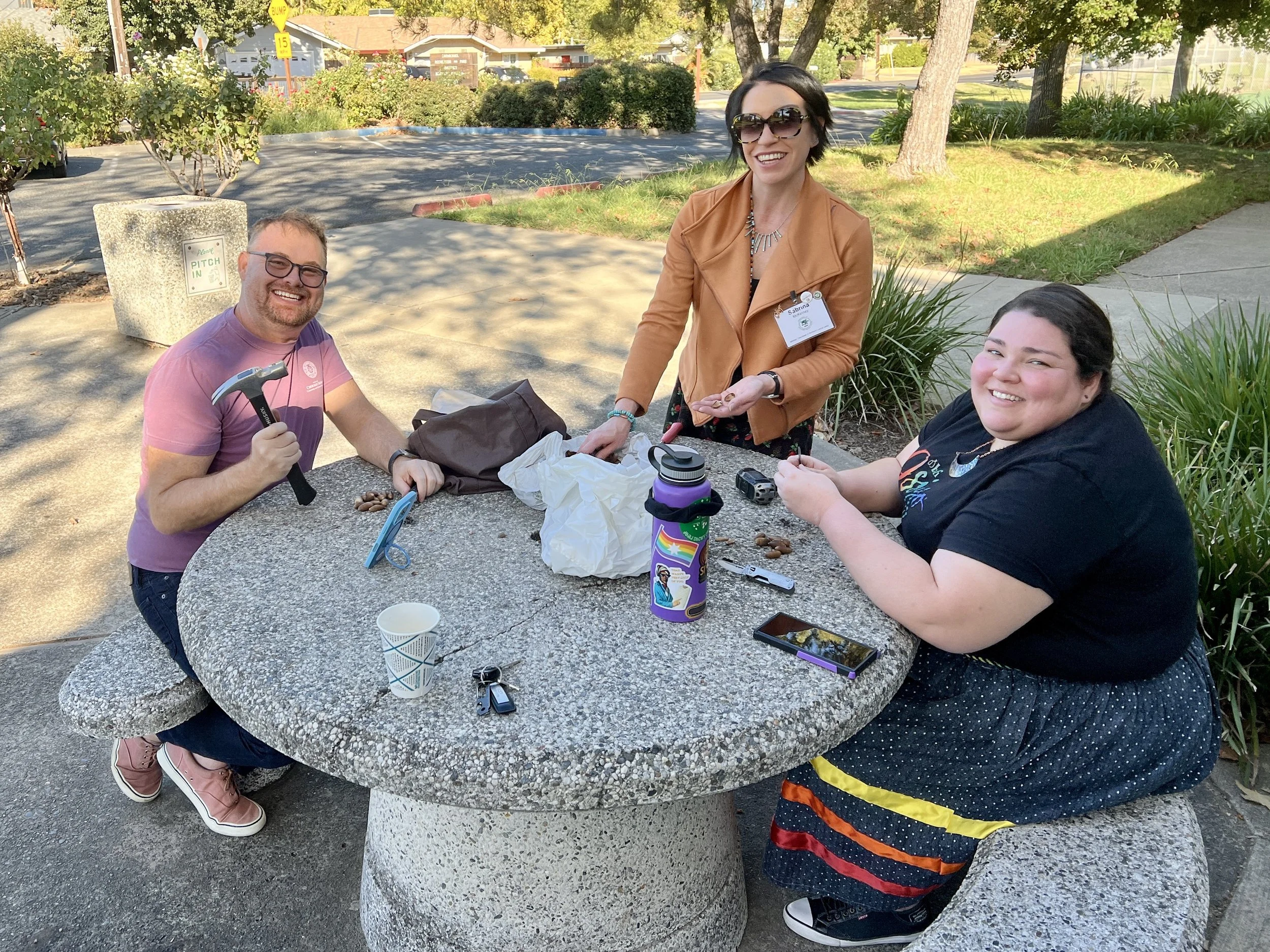
Please enjoy these pictures from the day, shared by Deirdre Fitzgerald!
More about Booger Masks
Booger masks are traditional masks used for social satire to process societal angst and de-escalate fear.
Cherokee National Treasure Wendell Cochran has made gourd masks for years and is said to be responsible for revitalizing the art in Oklahoma.
In the linked Cherokee Phoenix articles below, Cochran shares that masking is a tradition that's used by almost every civilization and culture for a number of purposes. The Cherokee had an active masking tradition before missionaries. He says that Cherokees stopped using booger masks for a long time, possibly due to Christianity’s influence.
Cochran shared that we used masks for several reasons as well, but the gourd masks we talk about most today are booger masks, which are social masks that serve no spiritual purpose.
“By satirizing [the strangers] in front of a group or community, who immediately recognize them, it disarms the angst that’s going on... People who were satirized were no longer an emotional threat because they had been dealt with through humor.”
"I would call them satire, social satire masks. But they serve a very useful function. One, they're entertaining. Number two, booger stood for strangers or small enemies in the community, but Cherokees didn't call them boogers," he said.
"That's a white man's term brought on by the settlers that lived around the Cherokee communities back east when there would be dancing at night in the winter time and the whooping and hollering and people wearing masks. 'Those Cherokees are up there doing their booger thing.’”
Cochran said booger masks were only done in the fall and winter because the actions and connotations used in booger mask dancing would have offended the spirits. During the fall and winter, he said, spirits went underground.
Read more about booger masks from the Cherokee Phoenix:
More about Gorgets
Cherokee gorgets are pendant-style neck ornaments with roots in Southeastern native tradition. Shell and metal gorgets were common in the Eastern Woodlands and have been worn by Cherokees for centuries. In our traditional homelands, the earliest were carved from shell, dating back to 200 BCE during the Hopewell tradition period. Many shell gorgets have been found at Mississippian period sites from 1000-1540 AD, made from Busycon whelk shells. They were commonly designed with traditional Southeastern symbols, including geometric designs representing the sun and cosmos and other designs depicting warriors, dancers, chunkey players, woodpeckers, raptors, turkeys, spiders, snakes, and more. Many were circular but some were square, with crosses, or with cruciform design structures.
Today, we see more hammered copper gorgets, which became popular after European contact. Gorgets can mark status or personal achievement, be given as gifts or honors, and may offer protection or carry a story for the wearer. For instance, the British were known to award gorgets to Native leaders as a token of goodwill and status marker.
Want to Make Your Own Gorget?
Drawing inspiration from this history, Cherokee Nation artist, Katie Penland, shows how to make paper gorgets as a fun craft to teach your kids: https://youtu.be/-2LaMi3nqI0?si=KaSat_aA0qxsoJyz
Read more about gorgets:
Rodning, C. B. (2012). Late prehistoric and protohistoric shell gorgets from Southwestern North Carolina. Southeastern Archaeology, 31(1), 33–56. http://www.jstor.org/stable/41620310
— Sabrina McKinney